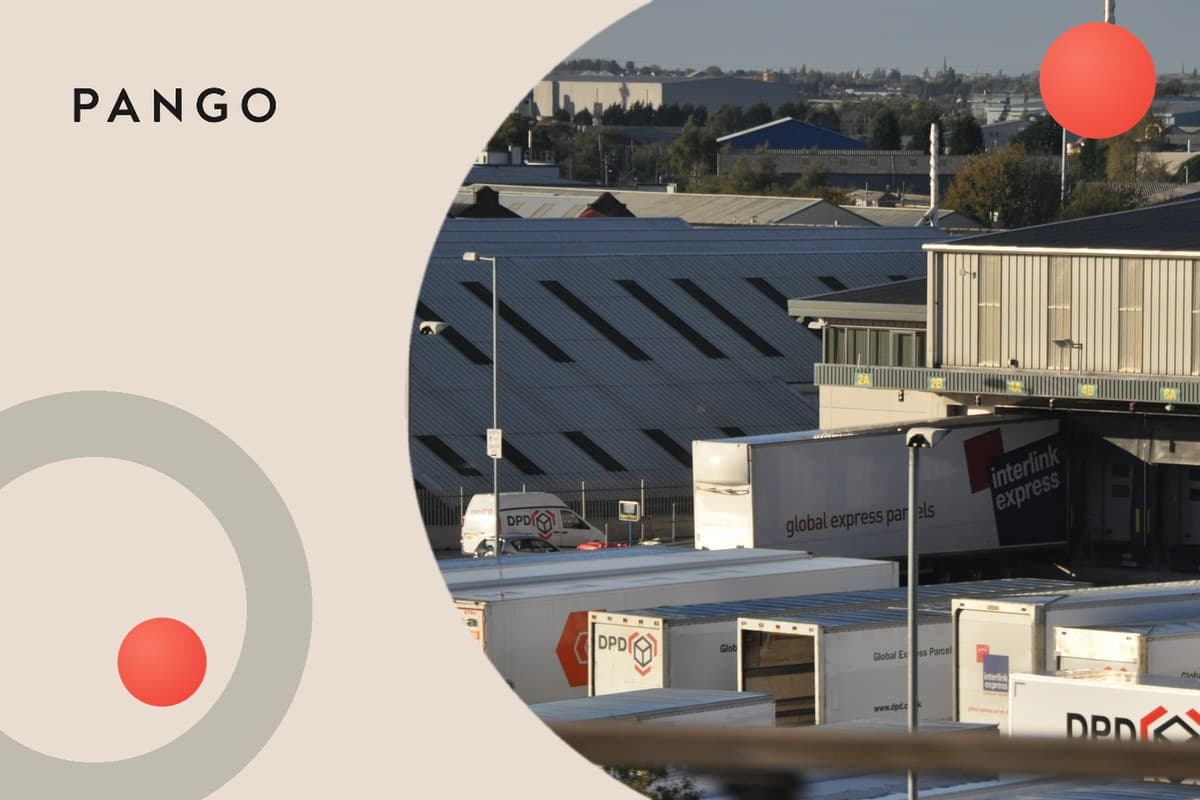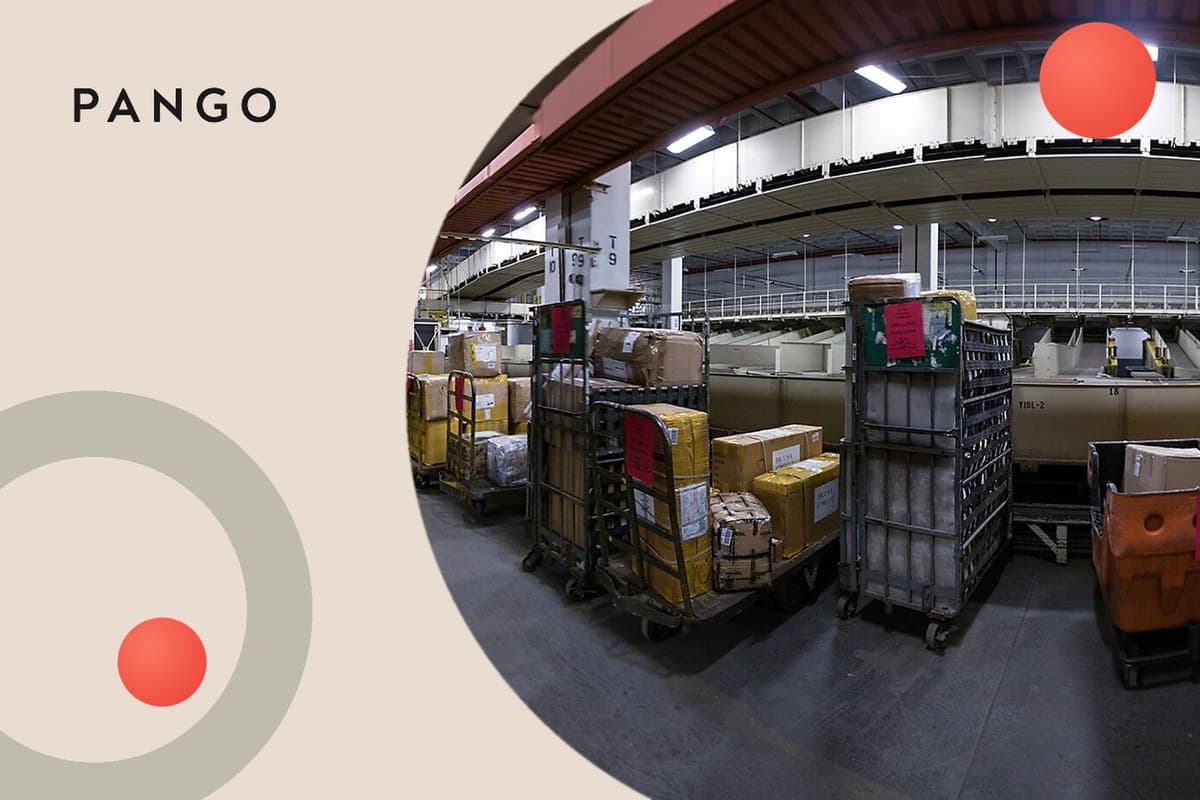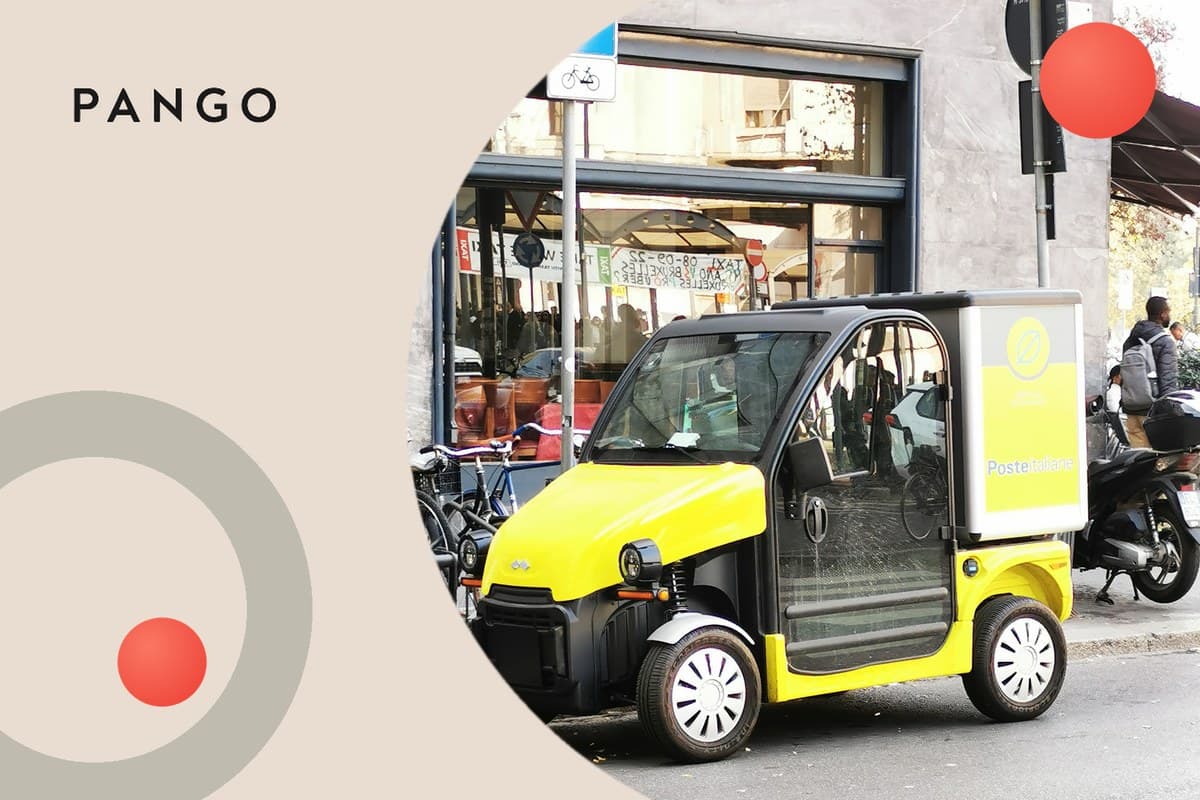
Italy is the market where the gap between a carrier's tracking page and what the customer understands is widest. In our October Parcel Anxiety Index, Poste Italiane's English-language tracking was the single largest source of "what does this status mean" searches reaching pango.ai, 106,113 in 28 days, ahead of SHEIN and every other carrier. That is not a Poste problem so much as an Italy problem: international parcels arrive with English statuses, finish on Italian carriers with Italian statuses, and the shopper has to translate both. This guide is the merchant's map of the Italian carriers, their pickup networks and their vocabulary, the one status that costs money if the customer misses it, what changes for a non-EU seller at customs, and what has to be true in your tracking and returns setup before Italy stops generating tickets.
Short answer: Four names cover most Italian ecommerce delivery. Poste Italiane is the national postal operator, and SDA, its express courier arm, has had its courier operations migrated into Poste Italiane, so a parcel can be booked as one and tracked as the other. BRT, part of Geopost, delivers in 24 to 48 working hours in Italy and runs more than 11,600 BRT-fermopoint pickup points. GLS Italy runs the GLS Shop network and lockers. All of them write tracking in Italian, and Poste Italiane's website has no English version of its tracking page. The status that needs the most attention is "giacenza", a parcel held for collection with a deadline, after which it goes back to the sender. For a non-EU brand, customs is a stage the customer has to be told about; for any brand, the fix for Italy is a tracking page that reads every carrier's Italian statuses in the customer's language and messages the collection deadline.
The carriers, side by side
| Carrier | What it is | Delivery promise it publishes | Pickup network | Tracking language |
|---|---|---|---|---|
| Poste Italiane | The national postal operator; standard post, international inbound, and ecommerce parcels through Poste Delivery Business and Poste Delivery Web | None published as a rule for ecommerce parcels | Post offices and the Punto Poste network, including "Punto Poste Da Te" | Italian, postal wording; no English tracking page |
| SDA | The group's express courier; its courier operations have been migrated into Poste Italiane, and sda.it directs customers to poste.it | Follows Poste Italiane | Poste Italiane's | Italian, courier wording |
| BRT (Bartolini) | Italy's large parcel courier, a member of Geopost | "Delivery in 24/48 working hours in Italy, and 48/72 working hours abroad" | More than 11,600 BRT-fermopoint points (newsagents, tobacconists, stationers) with email or SMS alerts, 10 days of custody and insurance | Italian, short operational phrases |
| GLS Italy | Express courier for Italy and abroad | None published as a rule | GLS Shop network for online purchases; GLS lockers, including lockers hosted by businesses | Italian; English site available |
Two things to read from the table. First, Poste Italiane and SDA are one operation now, so the "two carriers, one parcel" pattern that confused shoppers for years is becoming one tracking record; the statuses are still Italian. Second, the pickup networks are large and marketed as the ecommerce option, so Italian shoppers expect a pickup choice at checkout the way Polish or German shoppers expect a locker; our guide to those networks is in parcel lockers in Europe.
Why Italy generates more tracking searches than anywhere else in Europe
The mechanism is simple. An international parcel carries English statuses ("arrived at sort facility", "departed from facility", "customs clearance completed") until it is handed to the Italian carrier, which then writes "in lavorazione", "in transito", "in consegna", "giacenza". A shopper who bought from a foreign store reads a tracking page in two languages, neither of which is explained. The two glossaries that absorb those searches are Poste Italiane tracking in English, which translates every Poste status, and stati di tracciamento in inglese, which translates the English statuses for Italian readers. BRT's phrases are decoded in BRT tracking statuses and GLS's in GLS tracking statuses. For a brand the point is that every one of those searches is a question the customer would otherwise send to support, and the index counted more of them for Italy than for any carrier in Europe.
The Italian statuses a merchant has to know
| Italian status | Meaning | Why it matters to the store |
|---|---|---|
| Spedizione creata / dati spedizione ricevuti | Label created, not yet collected | The customer sees "shipped" in your email and nothing moving for days |
| In lavorazione | Being processed at a hub | Reads as a stall; it is normal |
| In transito | Moving between centres | The quiet stretch; the "where is it" ticket |
| In dogana | At customs | The customer may be asked to pay; silence here is the expensive one |
| In consegna | Out for delivery today | The customer needs to be reachable |
| Consegnato | Delivered | Done |
| Giacenza | Held for collection, with a deadline | The parcel goes back to the sender if the deadline passes |
| Mancata consegna / tentativo di consegna fallito | Delivery attempt failed | Usually followed by giacenza |
| Restituito al mittente | Returned to sender | A return nobody wanted, and a second shipment at your cost |
"Giacenza" is the status to build around. On Poste Italiane the parcel is held at a post office, on BRT at a branch or BRT-fermopoint, with a limited window before it is returned; BRT-fermopoint gives 10 days of custody. A customer who is not told the deadline in their own language does not collect, and the parcel comes back as a return and a refund or reship. Italian logistics also slow noticeably in August and around national holidays, which stretches every window above.
Pickup points: offer them, and offer them properly
Italian shoppers are used to collecting from a tabaccheria or a post office, and the networks are built for it: Punto Poste for Poste Italiane, BRT-fermopoint for BRT, GLS Shop for GLS. The rules are the same as for lockers elsewhere in Europe. The pickup point is a delivery method with structured fields, chosen in a picker built on the carrier's location data, not a street address typed by the shopper; only the network's own carrier can deliver into its points; the collection notice has to carry the deadline; and returns should be accepted at the same points, which is what BRT-fermopoint and GLS Shop are designed for. A test order through the warehouse to a real pickup point, per network, is the only test that proves the chain.
Customs: what changes for a non-EU seller
If you ship into Italy from inside the EU, there is no customs stage. If you ship from the UK, the US, Switzerland or anywhere else outside the EU, customs formalities apply on every parcel, and Italy's customs agency has published new rules for low-value shipments from non-EU countries taking effect from 1 July 2026, which any non-EU brand should read on the agency's site before pricing a lane. The decision that shapes the customer experience is whether you ship DDP, with duties and VAT paid by you at checkout, or DDU, with the Italian carrier collecting from the customer before delivery; the trade-offs are in DDP vs DDU for cross-border shipping. Whichever you choose, "in dogana" needs its own message that says whether a payment is expected and from whom, because a customs hold with no explanation is where tickets and refusals start. How long the stage itself takes is in how long does customs clearance take.
Returns in Italy
EU consumer law applies: the right of withdrawal on distance sales and the minimum two-year legal guarantee on goods, which no commercial guarantee can shorten. Operationally, the questions are where the customer drops the return and how fast you see it. The pickup networks take returns, BRT-fermopoint is explicitly designed for "the collection of online purchases and the shipment of returns", and a returns portal that issues a label or code for the customer's nearest point is what Italian shoppers expect. A return that starts as a giacenza timeout is the one to prevent, because it is a return with no return request, no reason and no customer contact.
Where Pango sits
Pango connects Poste Italiane, BRT, GLS and the international carriers that hand over to them on one record, normalises their Italian and English statuses onto one plain milestone set in the customer's language, sends the collection-deadline message when a giacenza scan arrives, names the customs stage with a note on payment, and lets a return start with a code for the customer's nearest pickup point. If you are selling into Italy, or your Italian orders are generating a disproportionate share of tickets, Pango runs a free shipping and returns audit on your own orders as part of a demo, and the software category to compare is carrier management software.
The bottom line
Italy is a market of good carriers and untranslated tracking. Choose the carrier by the pickup network your customers will use, carry the pickup point as structured fields from checkout to booking, treat giacenza as a deadline to message rather than a status to display, tell the customer what happens at customs before they see "in dogana", and read every Italian and English status onto one tracking page in the customer's language. Do that and the most-searched carrier vocabulary in Europe stops reaching your support inbox.