When a parcel hits customs, the tracking often goes silent, and silence at the border is where shoppers assume the worst. Most of the time the parcel is fine and clears quickly. This guide explains how long customs clearance actually takes, what slows it down, and when a customs hold is worth acting on.
Short answer: Customs clearance usually takes anywhere from a few hours to two or three business days for a normal parcel. Most clear within 24 to 48 hours. It takes longer, sometimes one to two weeks, when duties or taxes are owed and unpaid, paperwork is missing or incorrect, the parcel is selected for inspection, or the customs office is backlogged. A parcel sitting at customs for under three business days is normal and needs no action. Past that, check for a duty or documents request from the carrier.
How long clearance normally takes
- Fast lane (most parcels): a few hours to 2 business days. Low-value goods with correct paperwork and any duties prepaid clear quickly and often invisibly.
- Duties owed: until they are paid. If import duty or tax is due and the recipient has not paid, the parcel waits for payment. The clock is really the customer's, not customs'.
- Missing or wrong paperwork: 2 to 5 business days. Incorrect value declarations, missing commercial invoices, or unclear contents descriptions trigger manual review.
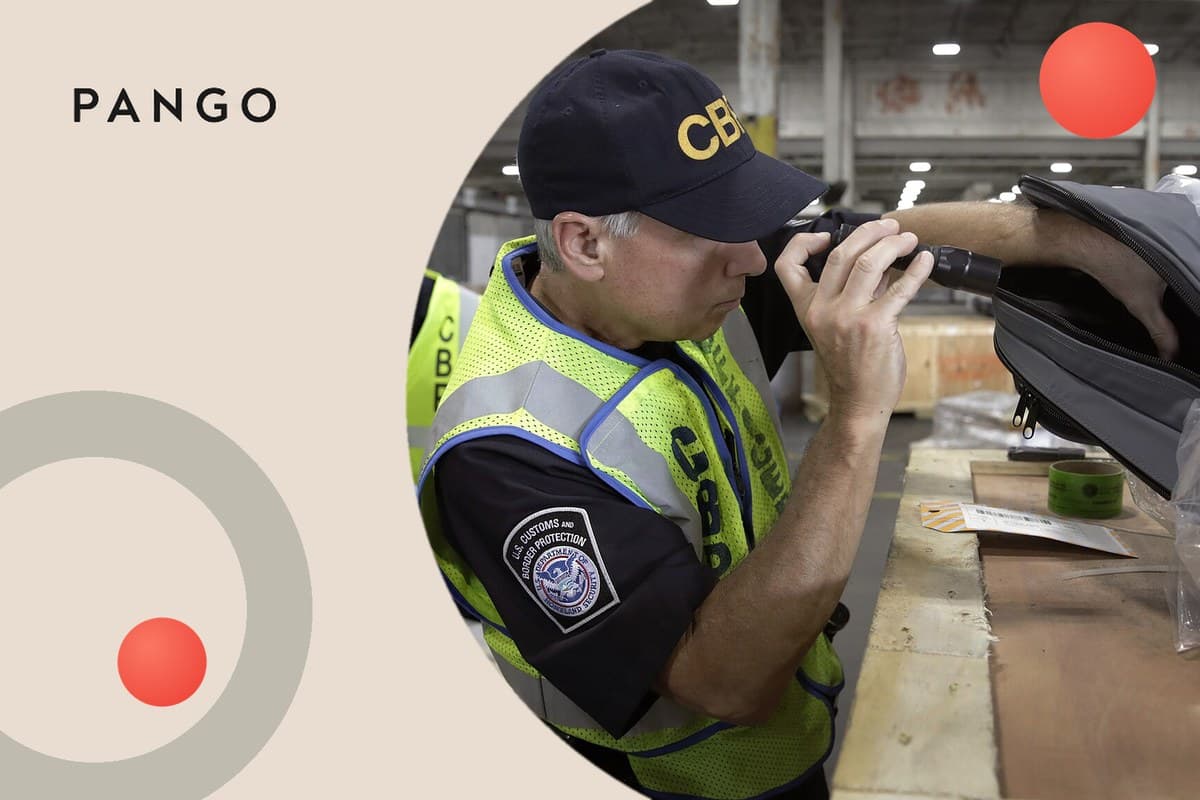
- Physical inspection: 3 to 7 business days. A minority of parcels are pulled for inspection, which adds days but usually resolves fine.
- Backlogs and peak season: add days. Around holidays and major sale events, customs volumes spike and everything slows.
What slows customs clearance down
The biggest delay is not customs being slow, it is something unresolved on the shipment. Unpaid duties and taxes are the number one cause, which is why who pays duty, and whether it was collected at checkout, matters so much. See DDP vs DDU: with delivered-duty-paid the duty is handled up front and the parcel flows through; with delivered-duty-unpaid the parcel waits for the customer to pay before it moves.
When to worry, and what to do
- Under 3 business days: wait. This is normal, especially with a quiet tracking page.
- Watch for a carrier message. If duty is owed or documents are needed, the carrier emails a payment or upload link. Complete it promptly, parcels are only held for a limited window.
- 3 to 7 business days with no request: contact the retailer. They can query the carrier and provide any missing paperwork, which the customer cannot.
- Approaching two weeks: act fast. Unresolved customs holds end in the parcel being returned to sender. The retailer should refund or reship before that.
For the full picture on a genuinely stuck parcel, see package stuck in customs and what "shipment on hold" means.
The merchant view: customs is where cross-border margin leaks
For a store, customs holds are silent WISMO tickets and refund risks in the making. The stores that handle cross-border well remove the guesswork: they set clear duty expectations at checkout and catch a customs hold the moment it happens.
Pango runs cross-border shipping and its order tracking software reads the customs scan across 100+ carriers on one record of the order, so a duty-owed or documents hold triggers the right message to the customer automatically, pay this, upload that, before the parcel times out, and if it cannot be resolved, the same record flows into a refund or reship. That is a proactive operation instead of a parcel the customer watches die at the border.
Clearance timing and hold duration are different questions: for the second, including what happens if a duty bill goes unpaid, see how long customs can hold a package.
The bottom line
Customs clearance is usually a matter of hours to a couple of days, and a quiet border does not mean a lost parcel. The real delays come from unpaid duty and missing paperwork, so watch for a carrier request and act on it, and give a genuinely stuck parcel to the retailer before it times out. See how cross-border runs on one record on the post-purchase operations platform and book a demo.