"Arrived at origin facility" is usually the first scan that proves a parcel exists. Before it, tracking shows only that a label was created; after it, the parcel is inside a carrier building and on the record. People search the phrase because it sounds important and because it is often followed by a day or two of nothing. This page explains what the scan records, what the next scans should be, how long the quiet after it normally lasts, how the phrase is translated on the tracking pages people read in French, Italian, German and Spanish, and when it has gone on too long.
Short answer: "Arrived at origin facility" means the carrier has scanned your parcel into its first facility, the depot, station or hub nearest the sender. "Origin" is the sender's end of the journey, so the parcel is as far from you as it will ever be. It is a normal, positive step: the label has become a physical parcel in the carrier's network. The next scans are "departed origin facility" or "departed origin hub", then "in transit" and "arrived at sort facility" in your region. A day or two without a scan after it is normal; a parcel that sits on the same origin scan for three or more business days past the expected delivery date needs the sender to ask the carrier.
What "origin facility" means
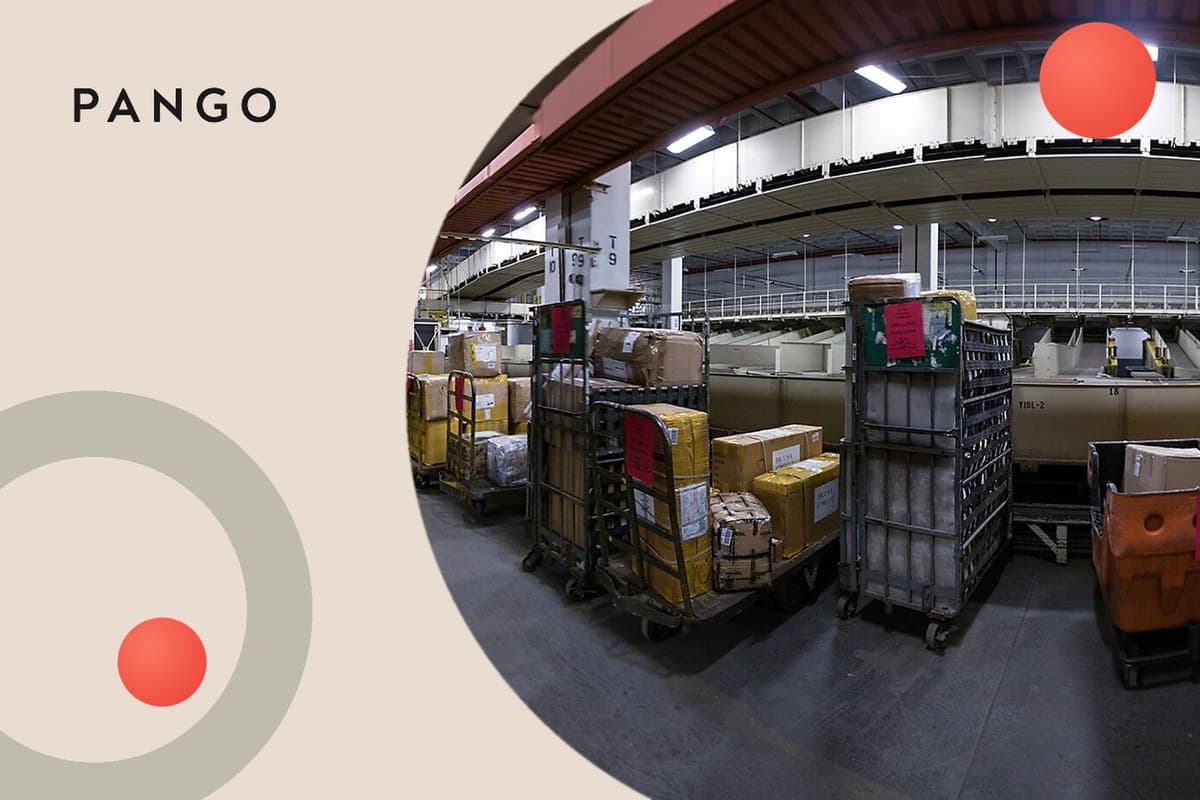
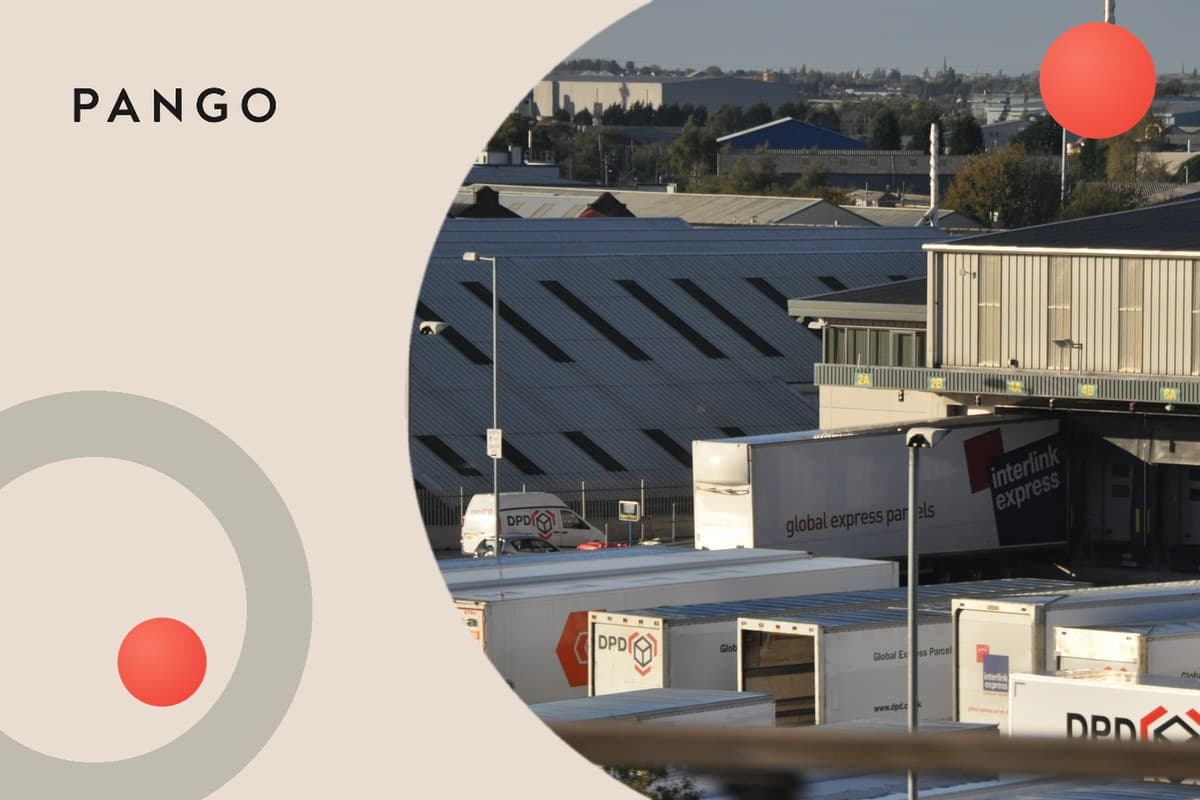
Carriers move parcels through a chain of buildings: origin depots, regional sorting centres, and destination delivery offices, and each time a parcel is scanned into one of them the record shows an "arrived" scan. The origin facility is the first link in that chain: the building where the carrier takes the parcel in from the sender or from a collection round. "Arrived at origin facility", "arrived at origin hub", "arrival at origin processing facility" and "arrived at carrier facility" at the start of a record all describe this scan. It confirms three things: the parcel physically exists, the carrier has it, and the journey has started.
What it does not mean is that the parcel is near you. A facility can be hundreds of miles away, especially early in the journey, and the origin facility is by definition at the far end.
The scans before and after it
| Order | Scan | What it records |
|---|---|---|
| 1 | Label created / shipment information received | The sender printed a label; the carrier has data, not a parcel |
| 2 | Picked up / collected (not every carrier shows it) | The parcel left the sender |
| 3 | Arrived at origin facility | The parcel is inside the carrier's first building |
| 4 | Departed origin facility / departed origin hub / left origin facility | The parcel has left the first building for the line-haul |
| 5 | In transit / arrived at sort facility / arrived at regional facility | The parcel is moving through hubs toward your region |
| 6 | Arrived at destination facility / local facility, then out for delivery | The parcel is at the delivery end |
On a FedEx record the origin building is a hub, so the pair reads "arrived at FedEx hub" then "departed FedEx hub" or "departed origin hub"; what that departure means and how long the gap after it lasts is explained in departed FedEx hub meaning. On marketplace parcels from China the equivalent scans are "arrived at sorting center of origin" and "left sorting center of origin", and the whole AliExpress sequence is decoded in AliExpress tracking statuses.
How long after "arrived at origin facility"?
Carriers do not scan a parcel while it is on a truck, plane or ship between facilities, so the record goes quiet once the parcel departs the origin facility, and sometimes before it departs, while it waits for the day's line-haul. A day or two of silence is normal, more on long-haul and cross-border routes and over weekends, when sorting and line-haul slow down. The next scan is normally "departed origin facility" or an arrival at the next hub, and the general shape of that quiet stretch is explained in why is my package stuck in transit.
The scan to watch for after this one is the arrival at a sorting facility in your region, which is the point the parcel stops being "far away": arrived at sort facility explains that scan and the one after it, departed from facility, which repeats at every hub.
Translations people search
The phrase appears in English on international records even when the shopper's tracking page is in another language, which is why "arrived at origin facility traduction", "traduzione", "deutsch" and "en español" are searched. The plain translation and the full glossary for each language:
| Language | Translation | Full glossary |
|---|---|---|
| French | Arrivé au centre d'origine (le premier centre du transporteur, près de l'expéditeur) | statuts de suivi en anglais |
| Italian | Arrivato nel centro di origine (il primo centro del corriere, vicino al mittente) | stati di tracciamento in inglese |
| German | Im Ausgangszentrum eingetroffen (das erste Zentrum des Versanddienstleisters, nahe beim Absender) | Sendungsstatus auf Englisch |
| Spanish | Llegado al centro de origen (el primer centro del transportista, cerca del remitente) | estados de seguimiento en inglés |
When "arrived at origin facility" needs attention
- Still on the origin scan, delivery date not yet passed. Nothing to do. The parcel is waiting for line-haul or travelling unscanned.
- Still on the origin scan, past the delivery date, three or more business days at the same facility. The parcel may be delayed, mis-sorted or held. Contact the sender, who holds the contract with the carrier and can open a trace; the carrier will usually only act for the shipper.
- Origin scan, then a scan at the same facility again days later. Normal when a parcel is re-sorted or missed a departure; abnormal only if it repeats past the delivery date.
- Origin scan, then "returned to sender". The address or label failed at the first sort; the sender will see why on their side.
For merchants
"Arrived at origin facility" is a true, early scan that reads as a stall, because it is followed by the longest quiet stretch in the journey and because the word "origin" means nothing to a customer. The tickets it generates are predictable: "it has been at the origin facility for three days", and "where is the origin facility". A tracking page that renames the scan as "collected, on its way to the sorting hub" with an expected date removes both. Pango normalises facility scans from every connected carrier onto one plain milestone set, shows the expected date for the stage the parcel is in, and treats a parcel that genuinely stops at one facility as a trigger for a proactive message rather than leaving the customer to discover it. If you ship with more than one carrier and want to see how their facility scans map onto one status set, start with carrier management software.
The bottom line
"Arrived at origin facility" is the scan that turns a label into a parcel. It is far from you, it is normal, and it is followed by the quietest stretch of the journey. Hold the parcel to its expected delivery date, expect "departed origin facility" and then a sort facility in your region, and involve the sender only when the date has passed and the scan has not moved for three business days.