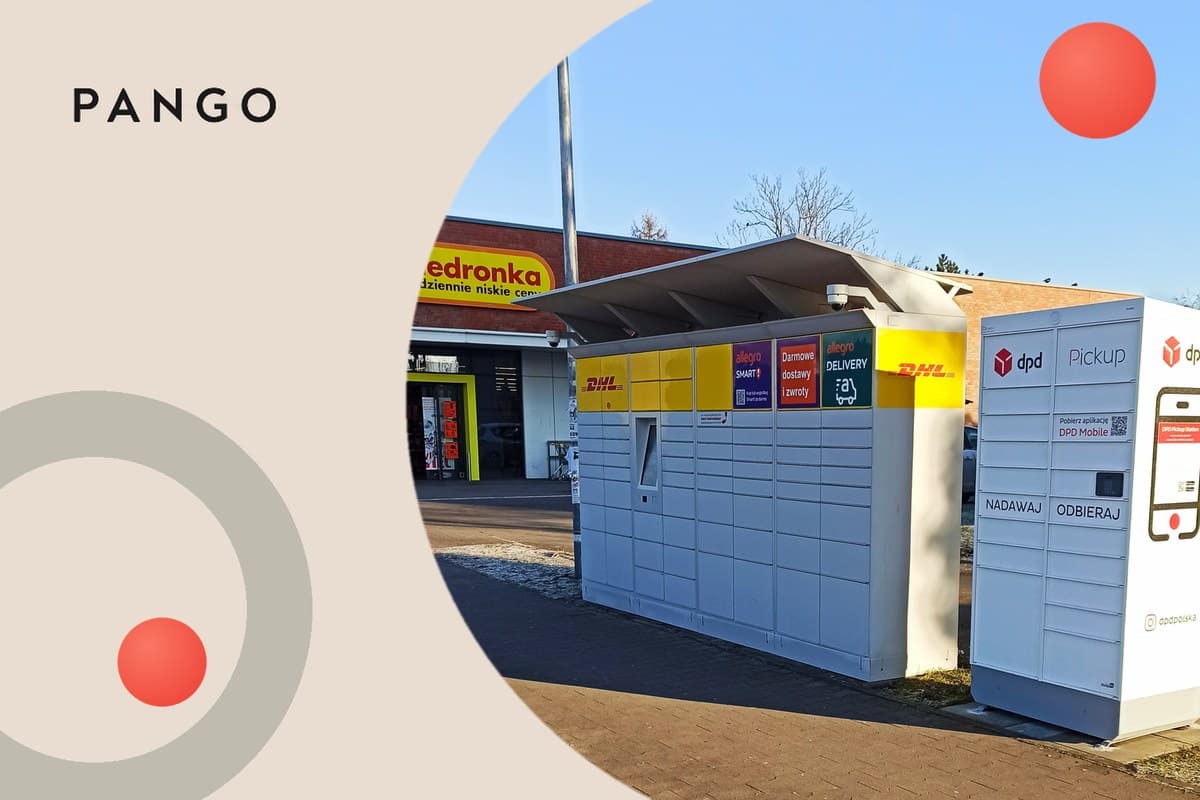
A brand that sells into Germany, Poland, the UK or the Nordics meets the same thing in its first month: a share of shoppers want the parcel in a locker, not at the door, and the checkout, the warehouse and the carrier booking were built for doors. This page is the merchant's map of the European locker networks that matter, how each one addresses and holds a parcel, what the shopper needs on their side, and what has to be true in your systems before you switch the option on.
Short answer: Four networks cover most European locker delivery. DHL Packstation in Germany: more than 19,000 Packstations and Poststations, and the shopper needs a free registration and a personal post number in the address, until DHL's registration-free option reaches your shop. InPost in Poland and the UK: 16,000 lockers in the UK alone, most open 24/7, a 72-hour collection window, no registration. Instabee's Budbee and Instabox in Sweden, Denmark, Finland, the Netherlands and Belgium: lockers or home delivery chosen in an app, reaching more than 45 million consumers. Amazon Hub: lockers for Amazon orders and participating returns, with an automatic return and refund if the parcel is not collected in time. The checkout rule is the same everywhere: a locker is a delivery method with structured fields (the locker's ID and, where required, the shopper's code or number), not a street address typed by hand.
Why lockers matter to a brand entering Europe
Lockers are cheaper for the carrier and often preferred by the shopper. DHL's own board has said a parcel costs less to deliver to a Packstation, because the driver drops many parcels at one place; our Nordic guide notes that a large share of Nordic parcels end at a locker or an agent point in a grocery store; InPost reports 16,000 lockers in the UK and counting. For a brand the consequence is simple: the locker option is part of the buying decision in these markets, a checkout that cannot offer it correctly loses the order or produces a failed label, and the collection deadline is a returns risk that home delivery does not have.
The networks, side by side
| Network | Where | What the shopper needs | Collection window | Returns through the locker |
|---|---|---|---|---|
| DHL Packstation | Germany | A free DHL registration and a personal post number in the address (not needed where the shop offers DHL's registration-free option); the Post & DHL app at app-controlled stations | Notification with a pickup code; app or screen to open the compartment | Yes, with a QR code; labels can be printed at the station |
| InPost | Poland, UK | No registration; a collection code in the notification, shareable with a friend or family member | 72 hours once the parcel lands in the locker | Yes, drop-off at any locker or shop; back with the retailer within 5 working days |
| Instabee (Budbee, Instabox, Porterbuddy) | Sweden, Denmark, Finland, the Netherlands, Belgium (Porterbuddy in Norway) | The consumer app; choose a locker or home delivery per order | Set per network and shown in the app | Yes, through the same lockers and home pickups |
| Amazon Hub | UK and other Amazon markets | An Amazon order; forward the delivery confirmation email to let someone else collect | A designated time frame; uncollected parcels are returned automatically and refunded | Yes, at participating lockers and counters |
The two columns a merchant should read first are the second and the fourth: what the shopper has to have, and what happens when the clock runs out.
DHL Packstation: the registration problem, and its end date
Packstation is the network with a hard requirement. To receive a parcel the shopper needs a DHL customer account and a personal customer number, the Postnummer, written into the address, and DHL's shipping API rejects a locker consignee without a 6 to 10 digit post number. Most non-German checkouts have no field for it, so the order goes through and the label fails later. DHL has piloted registration-free Packstation delivery since July 2025, with a nationwide rollout announced for 2027, most likely for commercial shippers only. Until it reaches your shop, the fixes are a station picker built on DHL's Location Finder, a validated Postnummer field, and an alternative pickup option for shoppers who have no number. The full explanation is in DHL Packstation and the Postnummer explained, and the field-by-field setup for Shopify, Shopware and the warehouse in how to add DHL Packstation to your checkout and WMS.
InPost: no registration, a short clock
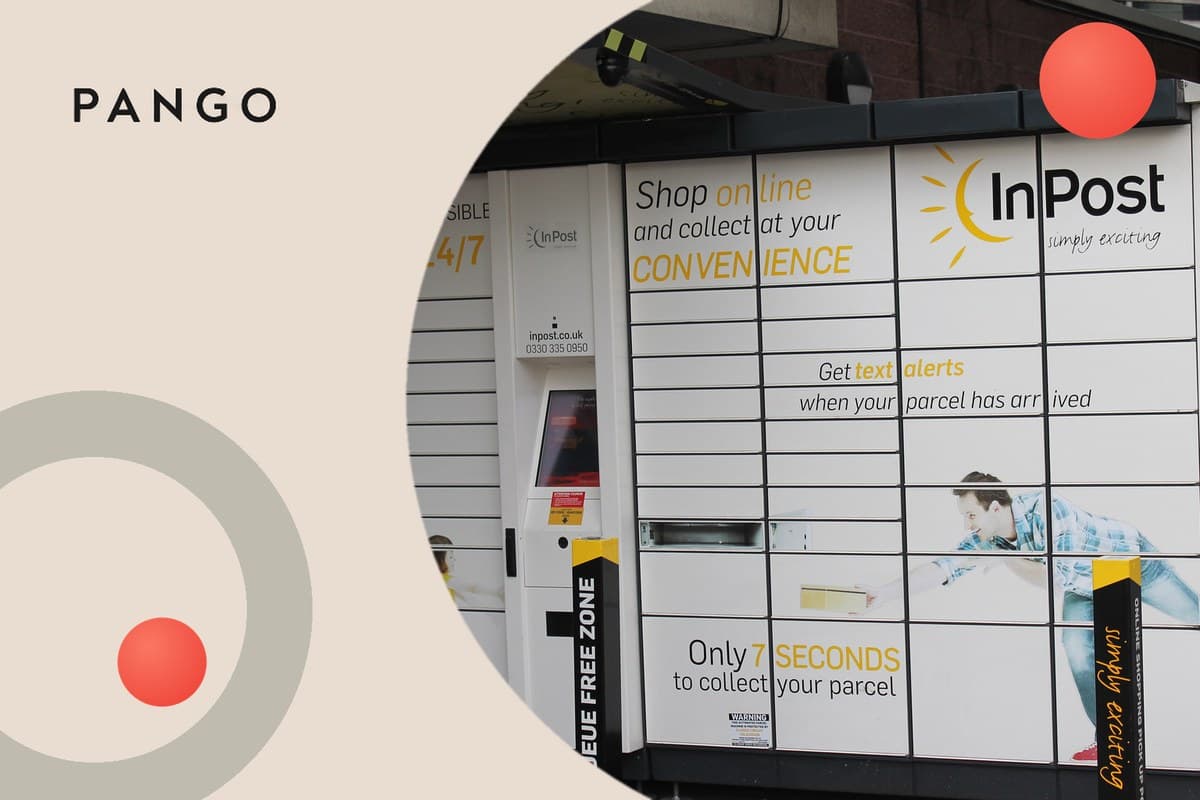
InPost is the opposite design: nothing to register, a code in the notification opens the compartment, and the code can be shared with someone else. The trade-off is the window: three days (72 hours) once a parcel lands in the locker, after which it is returned. InPost says a parcel sent to a locker or shop should arrive within 3 working days, and a return dropped at a locker should be back with the retailer within 5 working days. For a merchant the implication is that the collection reminder matters more than with any other network, because the window is the shortest. The statuses a shopper sees, including the one they search most ("it's close, stay tuned"), are explained in InPost tracking statuses.
Instabee in the Nordics and Benelux: the app is the checkout
Instabee runs Budbee, Instabox and Porterbuddy and describes itself as one partner for lockers, home delivery and returns across the Nordics and Benelux, reaching more than 45 million consumers and moving tens of millions of parcels a year. Budbee offers delivery to the home or to a locker of the shopper's choice in Sweden, Denmark, Finland, the Netherlands and Belgium, with a native consumer app. The merchant-side point is that the choice between locker and home often happens in the carrier's app after checkout, so the order record has to carry the shopper's phone number and email correctly, and the tracking page has to follow the parcel to whichever option the shopper picks. Our Nordic guide sets out the wider carrier mix (PostNord, Bring, the locker networks) in the Nordic ecommerce shipping and returns guide, and the shopper-side statuses in Instabee and Budbee tracking.
Amazon Hub: the benchmark for the timeout
Amazon's lockers are mostly relevant to a brand selling on Amazon, but they set the benchmark shoppers now expect everywhere: if the parcel is not collected within the designated time frame, Amazon returns it automatically and sends a refund, and someone else can collect by being forwarded the confirmation email. That is the experience a locker shopper compares your store to: a clear deadline, a painless handover to a friend, and no penalty for missing the window.
What breaks in a foreign checkout
The failures are the same across networks, and they are rarely the carrier's:
- The locker typed as a street. The shopper writes "Packstation 123" or a locker name into the address line, the order passes, and the label fails at the warehouse hours later. A locker is a delivery method with a picker and structured fields, never free text.
- The required code missing. Packstation needs the post number; other networks need a phone number or email that actually reaches the shopper, because the collection code travels there.
- The wrong carrier wins. A rate rule that lets a cheaper carrier take a locker order creates a guaranteed failure; only the network's own carrier can deliver into its lockers.
- The flat export. The order management system or the warehouse system flattens the locker fields into a street line, and the carrier API rejects the booking because the address is not flagged as a locker.
- No deadline message. The parcel arrives, the shopper is not told the window, the parcel times out and comes back as a return nobody wanted.
How to offer lockers without the failures
- A picker per network, built on the network's location API, so the shopper chooses a locker and the checkout writes the address in the carrier's own format.
- Structured fields on the order: locker ID, network, and the shopper's code or number where one is required, carried unchanged to the warehouse and the carrier booking.
- Validation at checkout, not at the label: the Postnummer format for DHL, a reachable phone number for the app-based networks.
- A collection-deadline message in the shopper's language, sent when the locker scan arrives, with a reminder before the window closes.
- Returns through the same locker, with a QR code from the returns portal, because that is what shoppers in these markets expect.
- A test order per network before go-live, through the warehouse and to a real locker, which is the only test that proves the whole chain.
Where Pango sits
Pango treats a locker as a delivery method: the shopper picks the point in the checkout, the locker ID and any required code are carried as structured fields on the order record to the warehouse and into the carrier booking, the locker scan triggers a collection message with the deadline in the shopper's language, and a return can be started with a QR code to the same network. If you are expanding into Germany, Poland, the UK or the Nordics and want to see how your own checkout, warehouse and carriers handle a locker order, start with carrier management software.
The bottom line
Lockers are a delivery method, not an address. Offer each network through its own picker, carry the locker ID and any required code as structured fields all the way to the booking, validate at checkout, message the collection deadline, and prove it with one real order per network before you tell shoppers the option exists.