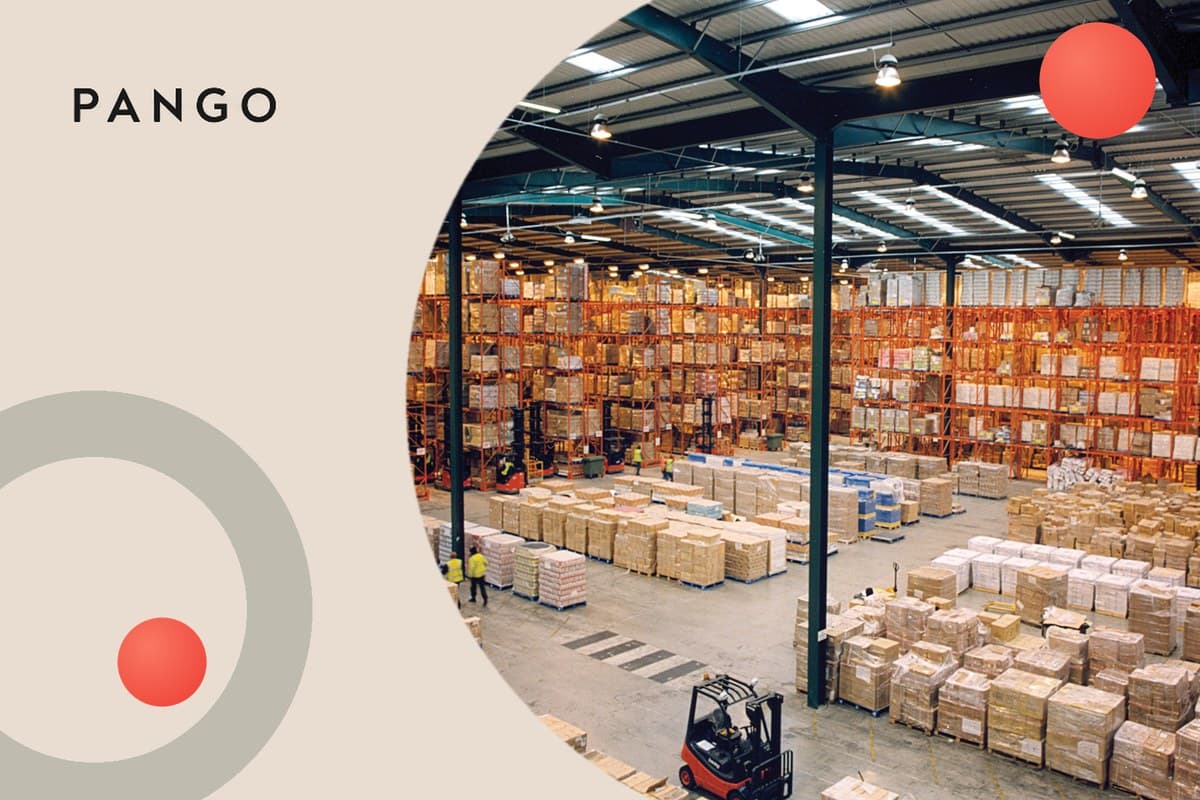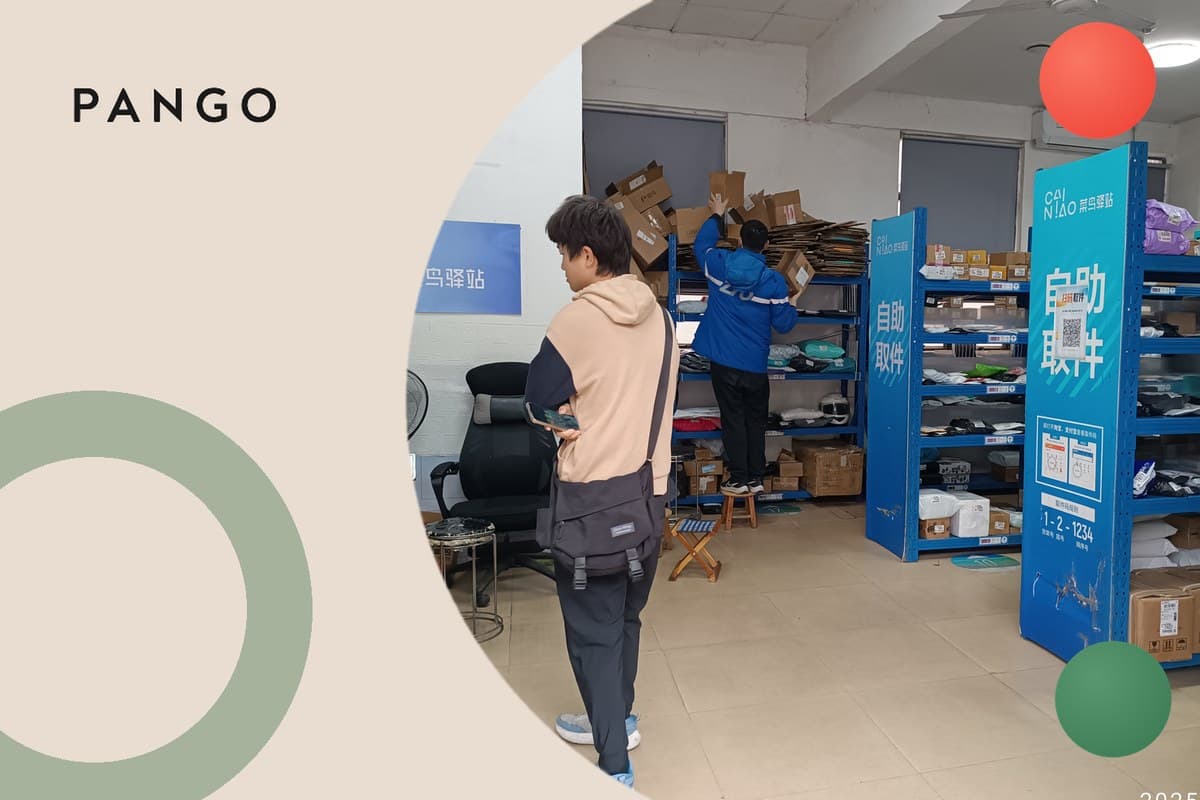
You ordered from a shop on AliExpress, and the tracking, the customs notice or the carrier's notification names the sender as "Not Seller Cainiao Fulfillment Center", sometimes with a code such as "WH2(not seller)" or "CZ c/o not seller Cainiao Fulfillment Center". It looks like an error, or like somebody else sent you something. It is neither. It is the label telling you, in awkward English, that the parcel was dispatched from a warehouse operated by Cainiao rather than by the seller whose listing you bought from.
This page explains what the string means, why it appears on parcels from AliExpress and other Alibaba-connected marketplaces, what the warehouse codes are, and what to do if the notification that carries it is asking you for money. The wider Cainiao status vocabulary is in Cainiao tracking statuses.
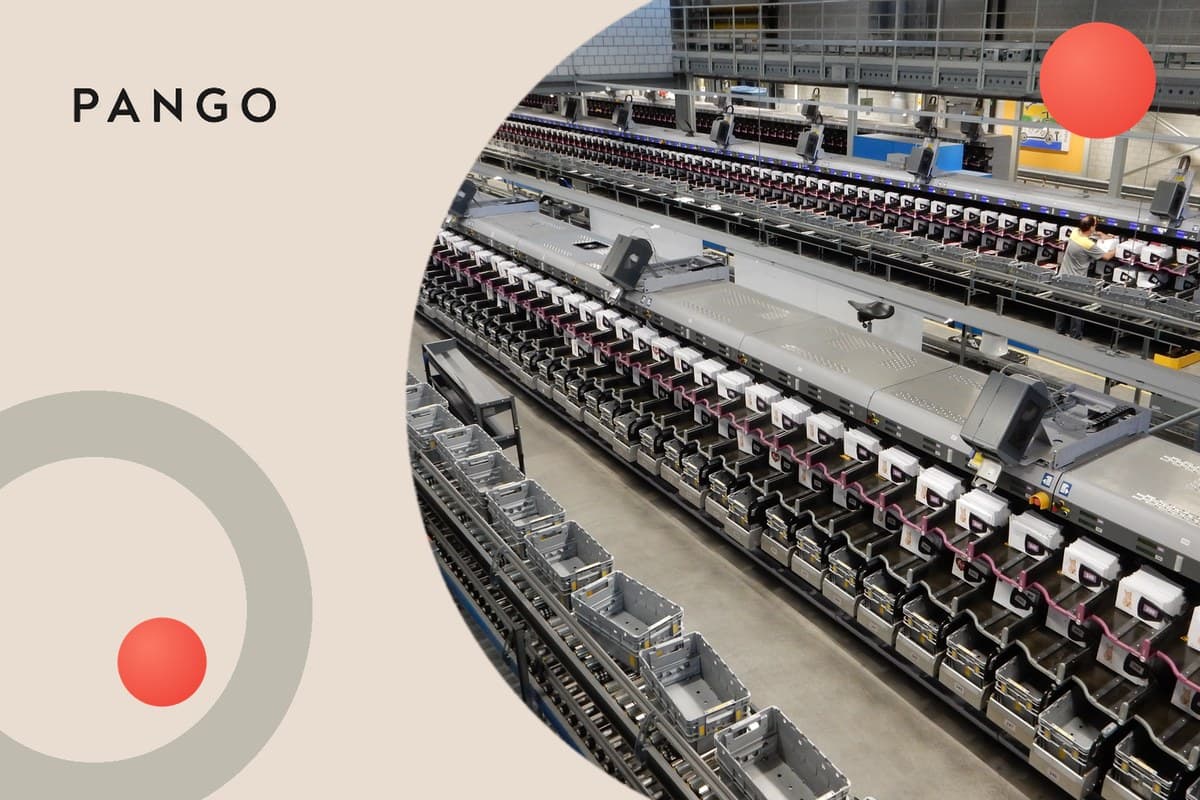
Short answer: Cainiao is the logistics company of Alibaba Group. AliExpress describes it as "The digital logistics arm of Alibaba Group responsible for coordinating cross-border shipments between merchants on AliExpress and regional couriers worldwide", running "domestic Chinese sorting centers, international air freight partnerships, and final-mile delivery handled locally using partnered national post services". When a seller's stock is held and shipped from a Cainiao-run fulfilment centre, the consignor on the label is that warehouse, and the label says "not seller" to make clear that the named sender is the warehouse operator and not the merchant. "WH1", "WH2" and "WH3" are warehouse identifiers, and "c/o" means care of. Nothing is wrong with the order; the shop is still the seller you bought from, and the parcel follows the normal Cainiao journey.
What the words mean, one by one
Cainiao does not publish a glossary for the sender field, so the reading below is from what the label shows and from how AliExpress describes Cainiao's role.
| Part of the string | What it is telling you |
|---|---|
| Cainiao Fulfillment Center | The parcel was packed and dispatched from a warehouse Cainiao operates for marketplace sellers, not from the seller's own premises |
| Not seller | The name in the sender field is the warehouse operator, not the merchant. The seller of record is still the shop on your order |
| WH1 / WH2 / WH3 | A warehouse identifier. Different orders from the same marketplace can show different numbers |
| c/o | "Care of": the consignor is written as a party acting on behalf of another |
| CZ (or another two-letter code) | A prefix that appears on some labels; it is not explained by Cainiao, so treat it as a routing or site code rather than a message to you |
| Sendungsname (German notifications) | "Shipment name": the German carriers' notification field in which the string appears; the queries "sendungsname: not seller cainiao fulfillment center" and "was ist das" show how often German recipients meet it |
Why the seller is not the sender
Marketplaces increasingly hold sellers' stock in shared warehouses close to the buyer or at a consolidated export point, so that one truck, one flight and one customs declaration carry thousands of small orders. AliExpress describes its Standard Shipping as "An integrated global fulfillment solution managed through Cainiao Logistics network, combining domestic Chinese sorting centers, international air freight partnerships, and final-mile delivery handled locally using partnered national post services", with final-mile partners such as "Canada Post for Canadian addresses, La Poste for France, J&T Express for parts of Southeast Asia" and USPS, Royal Mail, Correos España and Australia Post among them.
When the shipment is consolidated that way, the shipping documents name the party that physically handed the parcel to the carrier. That party is the fulfilment centre. The phrase "not seller" is a disclaimer added so that a customs officer, a carrier or a recipient does not treat the warehouse as the merchant.
Where you will see it
- Tracking pages. The Cainiao or local-carrier tracking shows the string as the sender or shipment name.
- Carrier notifications in Europe. DHL and Hermes notifications in Germany show it as "Sendungsname", which is why "not seller cainiao fulfillment center was ist das" is a common search. The German carrier vocabulary is in DHL tracking statuses and Hermes Germany tracking statuses.
- Customs or duty notices. If import VAT or duty is due, the carrier's payment notice names the consignor as it appears on the declaration. The notice is legitimate if it comes through the carrier's own tracking page or app; what to check before paying is in awaiting customs clearance meaning.
Is it a scam?
The string itself is not. It appears on ordinary marketplace orders shipped through Cainiao's network, and the sender name is the same for every parcel that leaves that warehouse. Two checks separate a real notification from a fake one. First, the tracking number in the message should match the number on your order page. Second, any payment request should be reachable from the carrier's own tracking page, not only from a link in a text. A parcel you did not order, carrying this sender name, is a different question: the China Post tracking FAQ addresses unsolicited parcels from China directly, and the safe course is to not pay anything and to report it to the carrier.
What to do with the parcel
Nothing different from any other marketplace order. Track it with the number on the order page, expect the handover from Cainiao's linehaul to your local carrier (explained in handed over to local carrier meaning), and pay duty only through the carrier's own channel if a notice arrives. If the parcel is late or wrong, the party to contact is the seller on your order, through the marketplace's dispute process, because the seller is still the seller; the warehouse only shipped it. The AliExpress timelines for that are in AliExpress tracking statuses.
For merchants: your name is not on the box
A brand that ships through a fulfilment partner faces a smaller version of the same thing: the sender on the label is the 3PL, the tracking is the carrier's, and the customer sees neither the brand's name nor its words until the parcel arrives. The remedy is not on the label; it is on the tracking page and in the notifications, which the brand controls.
Pango puts the tracking on the brand's own domain, normalises the scans of more than 100 carriers through prebuilt connectors into one status set in the customer's language, and sends the notifications in the brand's name whether the parcel left the brand's warehouse or a 3PL's. Pick and pack runs on the same order record at either. The 3PL side of that setup is in what is a 3PL.
The bottom line
"Not Seller Cainiao Fulfillment Center" is a consignor name, not a warning: your parcel left a Cainiao-run warehouse instead of the seller's premises, and the label says so. Track it as usual, pay duty only through the carrier, and take any problem to the seller. Brands that want their own name on the customer's tracking, whoever packed the box, can see Pango's order tracking or book a demo.