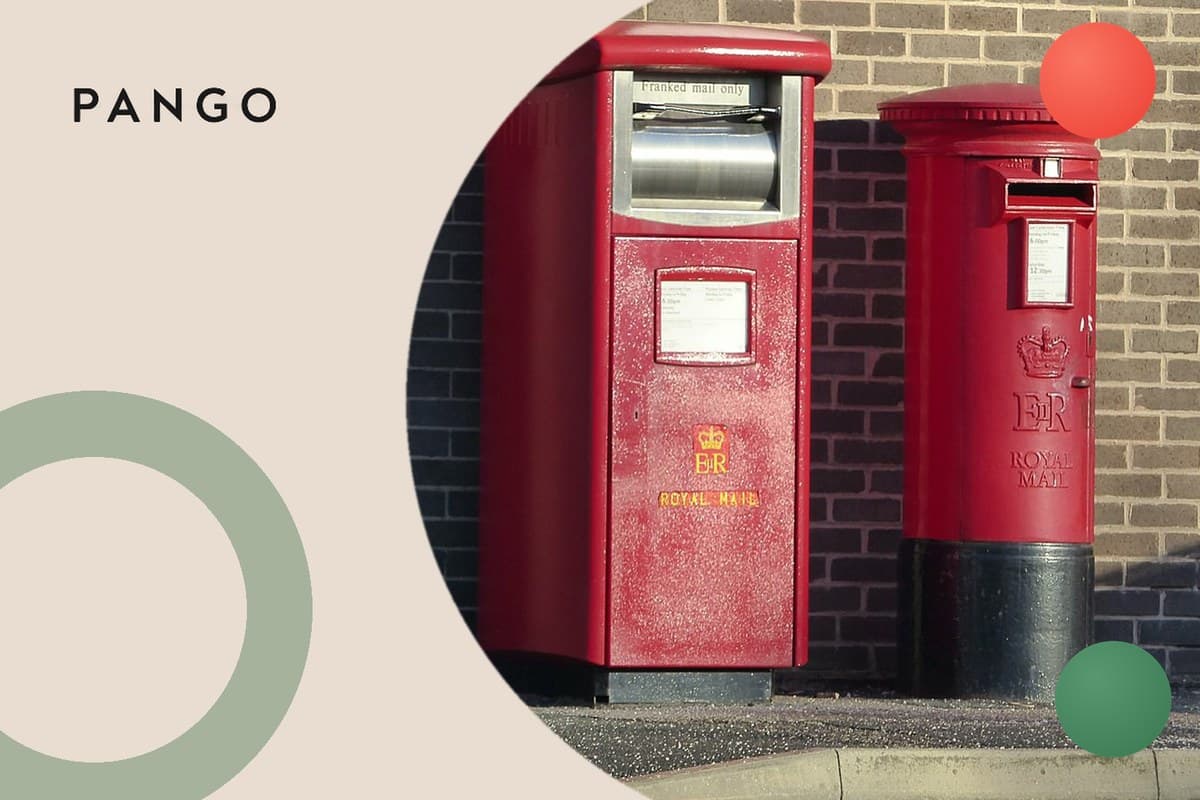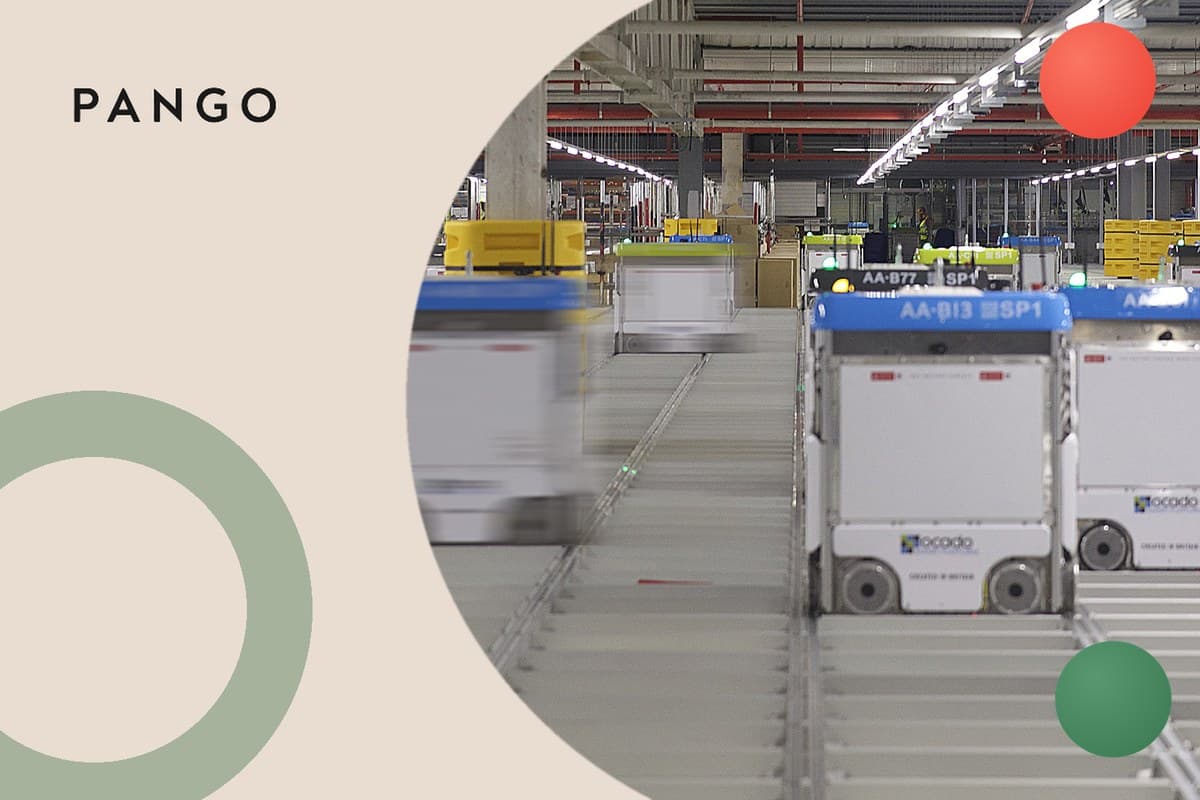
A third-party logistics provider (3PL) handles fulfillment for you. It stores your inventory, picks and packs orders, and hands parcels to carriers. You send the stock and the orders, they do the physical work. Brands move to a 3PL when packing in a garage stops scaling or when they need warehouses closer to customers. A 3PL is not software that ties your systems together, and it is not the customer-facing tracking experience. It runs the building and the boxes. This guide covers when a 3PL earns its keep and what still sits above it.
Free for DTC brands: Pango runs the shipping and returns audit on your own order and carrier data as part of a demo: fifteen numbers across checkout, carriers, warehouse handover, tracking and returns, the three that matter most for your operation, and the same orders shown running on one system. Book the free audit.
What a 3PL does day to day
Picture the physical journey of an order. A 3PL owns most of it.
- Receiving. Your inventory arrives at their warehouse and gets logged into stock.
- Storage. Stock sits in bins and zones the 3PL manages.
- Pick and pack. When an order comes in, a worker pulls the items and boxes them.
- Carrier handover. The parcel gets a label and goes to the carrier for delivery.
Many 3PLs also handle the first step of returns. Parcels come back to their dock and get inspected or restocked. The point is that a 3PL is a physical operation. Its value is measured in accuracy, speed, and how fast it hands parcels off.
3PL vs 4PL vs self-fulfillment
These three describe how much you outsource. They sit on a spectrum.
| Model | Who does the physical work | Who coordinates | Best for |
|---|---|---|---|
| Self-fulfillment | You | You | Early brands, low volume, tight control |
| 3PL | A provider | Mostly you | Growing brands that need to scale the physical side |
| 4PL | Multiple providers | A single manager on your behalf | Complex, multi-warehouse or global operations |
Most DTC brands live in the 3PL column for a long time. A 4PL adds a coordinating layer that manages several 3PLs and carriers for you, which matters once your network gets complicated.
Signs you are ready to move to a 3PL
You usually feel it before you can name it. A few clear signals:
Packing has taken over your space and your team's time. Orders ship late because there are not enough hands. You are paying high shipping rates because everything leaves from one location far from your customers. Peak season breaks you every year.
If two or more of those ring true, a 3PL is worth pricing out. The move buys back time and often buys cheaper, faster delivery by putting stock closer to buyers.
What a 3PL will not do for you
Here is where brands get surprised. A 3PL runs the building. It does not run your software stack or your customer experience.
It will not normalize the tracking updates your carriers return. It will not send a branded, on-time delivery notification in your voice. It will not give you one clean returns flow across every channel. And it will not stitch your orders, carriers, and returns into a single system of record.
A 3PL is a fulfillment operation, not a coordination layer. Those are different jobs, and confusing them leads to gaps.
The visibility gap: your 3PL, your carriers, your customer
Follow a parcel and you see the gap. The 3PL packs it and hands it to a carrier. The carrier scans it and returns status updates in its own vocabulary. Different carriers return anywhere from 10 to over 100 different status labels, and none of them agree.
Your 3PL does not clean that up, because tracking is not its job. So the customer lands on a page full of raw carrier jargon, or on the carrier's own site, far from your brand. When something goes wrong, they message you, and you are learning about it from them.
That is the gap between "the parcel shipped" and "the customer feels taken care of." It sits above the 3PL.
How Pango fits: a post-purchase layer above your 3PL and carriers
Pango sits above fulfillment. It does not replace it. Your 3PL keeps running the warehouse and your carriers keep moving parcels. Pango connects orders, carriers, warehouses, and returns into one adaptive layer on top.
The live work is what closes the visibility gap. Pango normalizes the 10 to 115 differing statuses your carriers return into one clean set of steps, and can scrape carrier data where an API is poor. That clean status powers branded tracking, proactive notifications, and analytics, all live today. Returns, exchanges, and claims run live too, so a customer gets one consistent flow no matter which 3PL or carrier touched the order.
Custom refund and routing logic is build-to-fit. Pango reads your policies and builds that logic for you rather than handing you a fixed feature. To see how the systems underneath differ, read OMS vs WMS vs TMS. To understand the reverse journey, see what reverse logistics is. For the full picture of tools around fulfillment, read the post-purchase tech stack. Pango connects above your existing transport stack.
How to choose one, fee line by fee line, and what to connect it to is in how to choose a 3PL for a DTC brand.