"Awaiting customs clearance" is the status that makes people search, because it sounds like the parcel has been stopped. It has not. It means the parcel has arrived in the destination country and is in the queue for the customs authority's check, which is a step every international parcel goes through, including the ones that pay nothing. The status is the border equivalent of "in transit": something is happening, and it is happening to every parcel that crossed the same border that day.
This page explains what the status means, what customs is actually doing while it shows, how long the wait normally is, and the single case where you do need to do something.
Short answer: Awaiting customs clearance means the parcel is in the destination country and queued for the customs check, which every parcel from outside the customs area gets. The EU's customs authority states that goods below the duty threshold "are also subject to customs clearance", so the status does not mean a bill is coming. SHEIN's version, "Your package is awaiting customs clearance, and SHEIN will be in charge of the entire process", means the retailer's forwarder is the declarant and you are not expected to do anything. Most parcels clear in a day or two; AliExpress tells buyers customs "can take 7-14 days depending on your country's regulations". The only time you must act is if the carrier sends you a duty or VAT bill, and in the UK the government says the carrier will "normally hold your parcel for about 3 weeks" for that payment.
What customs is doing while the status shows
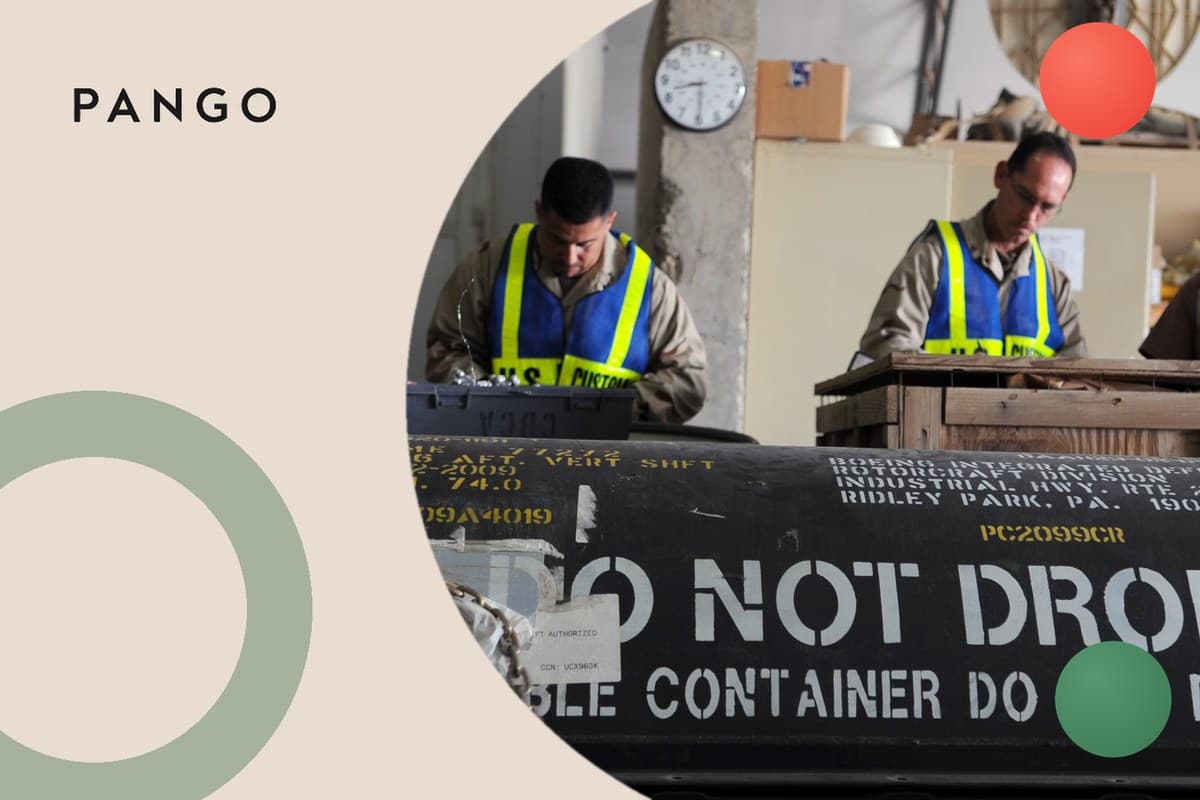
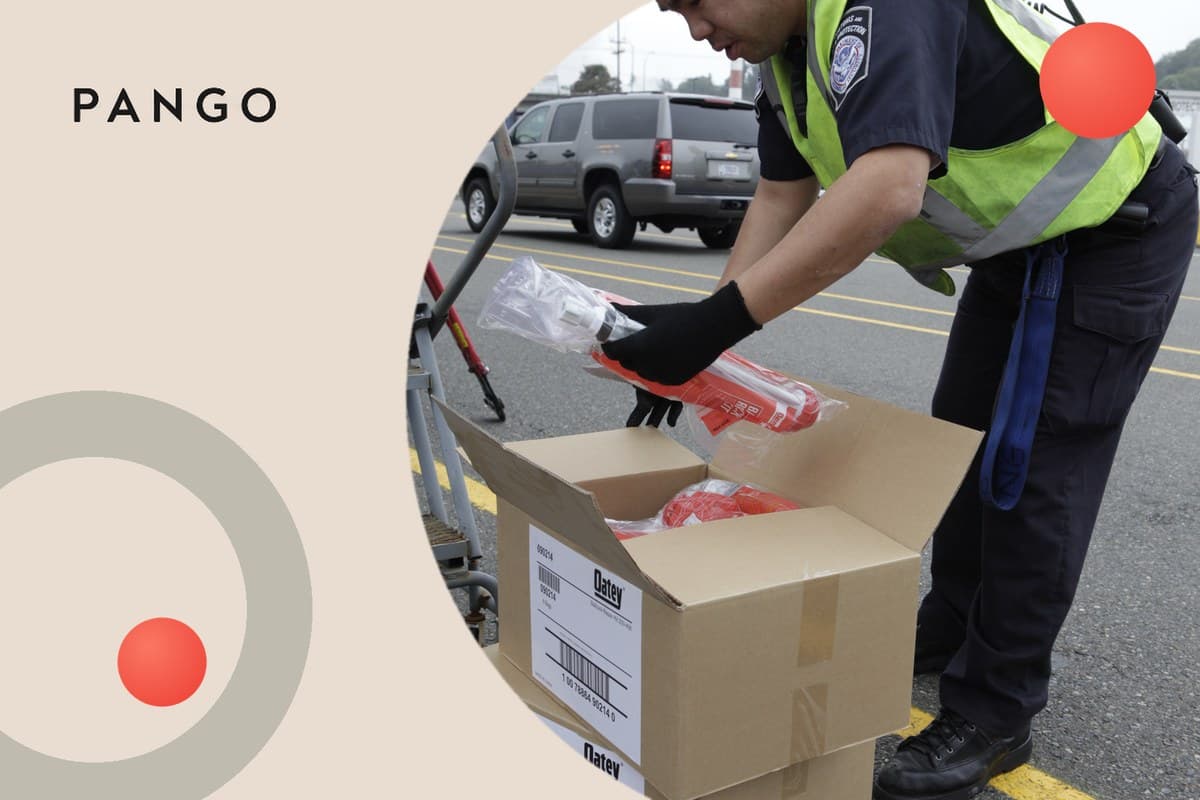
Customs authorities are unusually plain about their own job. The European Commission's customs guidance for online shoppers says: "Customs officers examine packages arriving from outside the EU in order to: control goods that are not allowed or restricted in the EU, confirm that the description and value stated on the customs declaration is correct and check the declaration to determine if customs duty, excise duty and/or Import VAT are chargeable." It adds that "Goods for which you do not have to pay customs duties (e.g. with total value lower than €150) are also subject to customs clearance."
That last sentence is the one to remember. Awaiting clearance is not a sign that duty is due. It is a sign that the parcel is being processed like every other parcel.
In the United States, U.S. Customs and Border Protection describes the same step for postal parcels: "Merchandise shipped through the international postal service is forwarded upon its arrival in the United States to one of U.S. Customs and Border Protection International Mail Branches for clearance. If the item is less than $2,500 in value and is not subject to a quota or is not a restricted or prohibited item, a CBP official will usually prepare the paperwork for importing it, assess the proper duty, and release it for delivery."
The check is mostly electronic. The declaration attached to the parcel (the CN22 or CN23 form on postal items, or the courier's electronic data) is compared against the rules, and the parcel is released. Physical inspection is the exception, and it is the case that makes the status last.
The SHEIN sentence, and the sequence around it
SHEIN's app shows a longer version: "Your package is awaiting customs clearance, and SHEIN will be in charge of the entire process." The second half is the useful part. The declarant, the party answering customs' questions, is SHEIN's logistics provider, not you. If a document is missing or a value is queried, the query goes to them.
The strings shoppers paste into search show the full sequence SHEIN uses at the border, in this order: "consignment information reported to customs", "prepared for customs clearance", "awaiting customs clearance", "customs is actively reviewing submitted documents", and finally "customs clearance completed". Each is a normal step. The tracking guides that document SHEIN's statuses describe the review step as the parcel "being checked by customs. If everything is in order, in a few days it will be on its way to your home", and the end of the phase as the parcel having "successfully cleared customs". What happens after that scan is covered in customs clearance completed meaning.
Temu and AliExpress use different words for the same phase. AliExpress lists "Customs Clearance – The package is being inspected by your country's customs authority" between "In Transit to Customs" and "Out for Delivery", and warns that during processing "the tracking may show 'Customs Inspection' or 'Held at Customs'". None of those is an alarm.
How long "awaiting" normally lasts
No customs authority publishes a maximum, which is why the honest answer is a range rather than a number. The guides that track SHEIN parcels describe the customs stage as normal for international shipments with a duration that "can vary from several hours to several days". AliExpress tells its buyers that "International packages must clear customs, which can take 7–14 days depending on your country's regulations", which is the cautious end of the range and includes parcels that get a physical check.
A useful way to think about it: the electronic check takes hours; a physical inspection or a documentation query takes days; a query that nobody answers takes weeks. The first two resolve on their own. The third is the one to watch for, and it is covered in how long can customs hold a package.
Weekends and public holidays in the destination country add to the wait, because customs offices and the carrier's bonded facilities run on business days.
The one time you must act: a bill
If duty or VAT is due, the carrier collects it before delivery. The European Commission states that an invoice for charges "must be paid before the goods are handed over to you", and the UK government states the sequence for parcels into the UK: "They'll send you a bill stating exactly which fees you need to pay. They'll normally hold your parcel for about 3 weeks. If you have not paid the bill by then, your parcel will be returned to the sender." In the United States, CBP notes that where duty is owed "CBP will charge a processing fee for clearing your package. Duty and the processing fee are usually paid at your local post office, where your package is forwarded."
So the status alone needs nothing from you. A bill does. Check the carrier's tracking page for a payment link, check for a card, and pay only through the channel the carrier names. Temu's own tracking help tells shoppers to "Be wary of scam messages posing as customs or courier companies", and that advice applies to every marketplace: a text asking for a small fee to "release" a parcel that has not billed you through the carrier's own page is the most common parcel scam there is.
When "awaiting" has become "stuck"
Use these triggers rather than a fixed number of days.
- Under a week, no bill: normal. Wait.
- More than a week, no bill, no movement: contact the seller, not customs. The query, if there is one, sits with the declarant, which is the seller's forwarder. Customs authorities generally deal with the declarant, not the recipient.
- A bill has arrived: pay or dispute it now. This is the only clock with a published end.
- Tracking shows a return or a refusal: the parcel is going back. The SHEIN guides note that "missing or incomplete documents or an incorrect value declaration can result in customs clearance refusal and the return of the package". Contact the seller for a refund or reshipment. The general pattern is in package stuck in customs.
For merchants: the status that generates the "is it stuck?" ticket
Every cross-border order generates this status, and a share of customers will write in the moment they see it. The fix is not a faster border; it is telling the customer what the status means before they ask, and knowing on your side which parcels have been awaiting for longer than your lane's normal.
Pango normalises customs events across more than 100 carriers through prebuilt connectors into one milestone, so "awaiting customs clearance", "in customs" and "clearance processing" from different carriers trigger the same customer message with the same plain explanation, and a parcel that exceeds the lane's normal clearance time is flagged on the order record before the customer notices. On the outbound side, the documents that prevent the query in the first place are generated with the label; the choice between paying duties for the customer or leaving them to pay on arrival is explained in DDP vs DDU.
The bottom line
Awaiting customs clearance is a queue, not a problem. Every international parcel gets the check, most clear within days, and the only thing that needs your action is a bill from the carrier, which has a short deadline. If nothing has moved in more than a week and no bill has come, the seller is the person who can chase it. Brands shipping across borders who want the customs stage explained to customers automatically can see Pango's order tracking or book a demo.