"In transit to carrier" means the package has left the warehouse and is on its way to the carrier's network, often via a pickup truck or an injection hub. "Parcel data submitted to carrier" is the step before it: the shop has created the shipment and sent the details electronically, but the carrier has not scanned the physical package yet. Both mean your parcel is at the very start of its journey, neither means anything is wrong, and movement usually shows within 1 to 3 business days.
You ordered something, opened the tracking page, and got a status that explains nothing. "Parcel data submitted to carrier." "Shipment is in transit to carrier." So what does in transit to carrier mean, is the parcel moving, and should you email the store?
Short answer: Both statuses mean your parcel is at the very start of its journey. "Parcel data submitted to carrier" means the shop has created the shipment and sent the details electronically, but the carrier has not scanned the physical package yet. "In transit to carrier" means the package has left the warehouse and is on its way to the carrier's network, often via a pickup truck or an injection hub. Neither status means anything is wrong. Movement usually shows within 1 to 3 business days.
"Parcel data submitted to carrier", explained
This is a data event, not a physical one. When a merchant books a shipment, their system sends the carrier an electronic record: addresses, weight, service level, label number. The carrier acknowledges it and tracking pages light up with this status.
At this point the parcel may still be sitting at the packing bench. Nothing has been scanned. That is why the status can sit unchanged for a day or two, especially over weekends: the label exists, the handover has not happened yet.
What does in transit to carrier mean?
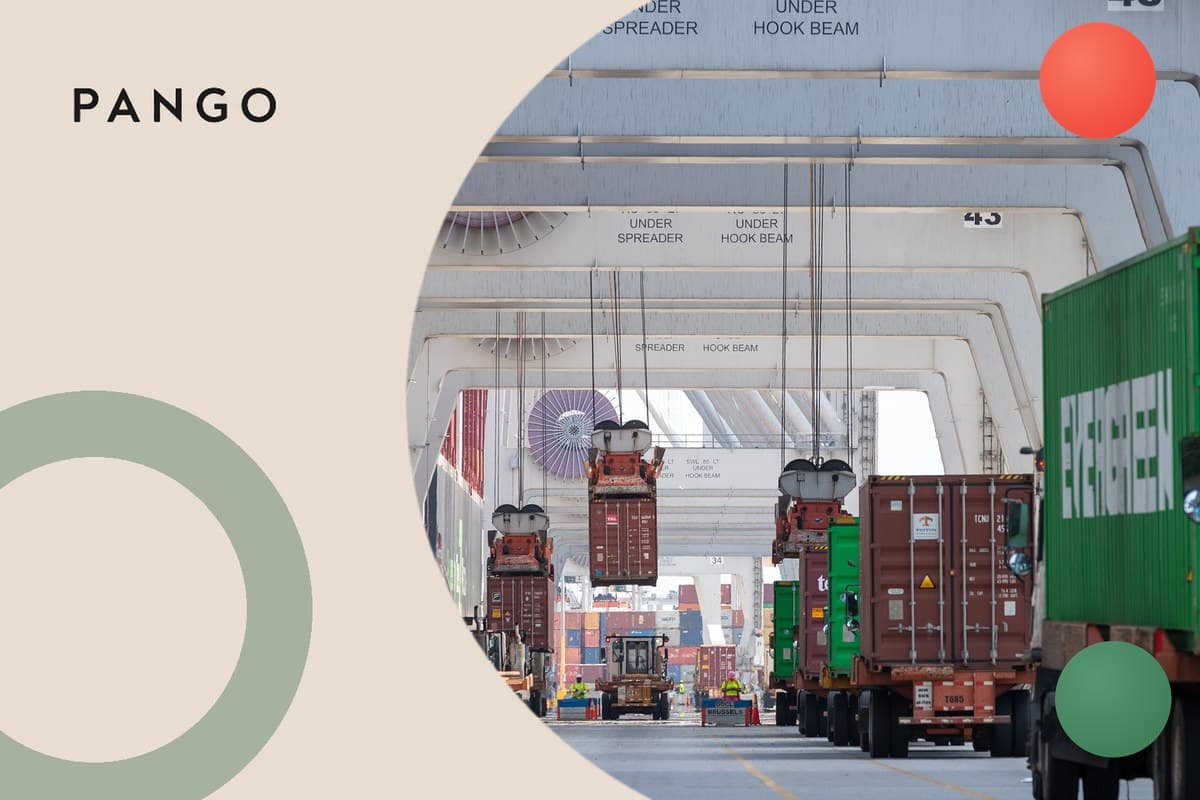
This one is slightly further along. The parcel has left the merchant's warehouse and is moving toward the carrier's network. It is common with cross-border shipments and with setups where one company does the first leg and a local carrier does the delivery. The receiving carrier will not show detailed scans until the package physically arrives at its first hub and gets scanned in.
So "in transit to carrier" often looks like a dead zone: the shop says it shipped, the carrier says it is waiting. The parcel is in between, riding a truck.
How long is normal, and when to act
| Status | Normal duration | Worth checking after |
|---|---|---|
| Parcel data submitted to carrier | 1 to 2 business days | 3 business days with no scan |
| In transit to carrier | 1 to 3 business days | 5 business days with no scan |
| Cross-border in transit to carrier | 3 to 7 business days | 10 business days with no scan |
If the status has not changed past those windows, contact the store rather than the carrier. Until the first physical scan, the carrier has nothing to look up. The merchant can see whether the parcel actually left and can open a trace or reship.
Why these statuses confuse everyone (the merchant view)
Every carrier words this stage differently. One says "parcel data submitted", another "electronic information received", another "in transit to carrier". Carriers return anywhere from 10 to 115 different raw statuses, which is why normalizing them into clean milestones matters so much.
This early-limbo stage is also a top driver of WISMO tickets, because customers read "no movement" as "problem." The fix is not a better excuse. It is a branded tracking page that translates the raw status into plain language ("Your order is packed and on its way to the carrier") and a proactive message when a parcel genuinely stalls. Pango does both: it normalizes statuses across 100+ carriers and treats a stalled scan as a trigger to message the customer before they ask, through the order tracking layer.
If you run a store and this status is generating tickets, Pango runs a free shipping and returns audit on your own orders as part of a demo; the categories to compare are carrier management software and returns management platform. Book the free audit.
The bottom line
"Parcel data submitted to carrier" and "in transit to carrier" are the pre-scan stage of every delivery: registered, moving, not yet in the carrier's hands. For shoppers, patience covers almost every case. For merchants, this stage is where tracking pages lose trust, and where translating raw carrier feeds into human language pays for itself. See how the post-purchase operations platform handles it and book a demo.