A brand that starts selling into Germany meets a problem in its first week that it has never seen in Sweden, the UK or the US: a share of shoppers want their parcel delivered to a DHL Packstation, a locker, and the checkout has no way to take the one piece of data DHL needs to open the right compartment. The order goes through, the label fails hours later, or the parcel comes back. This page explains what the Packstation is, what the Postnummer is, why DHL's own systems reject a locker address without it, what DHL is changing, and the three ways to fix the checkout.
Short answer: A DHL Packstation is a parcel locker, and DHL has "more than 19,000 Packstations and Poststations" in Germany. To receive a parcel there, the shopper needs a DHL customer account and a personal customer number, the Postnummer, which DHL says must go in the address-addition field with "Packstation" as the street and the three-digit station number as the house number. DHL's shipping API requires a 6 to 10 digit post number for every locker consignee, so a Packstation address without one fails at label creation. The fixes are: treat the Packstation as a delivery method with a station picker and a validated Postnummer field; offer pickup networks that need no customer number; and prepare for DHL's registration-free Packstation delivery, piloted since July 2025 and announced nationwide for 2027.
What a Packstation is, and why it matters for a brand entering Germany
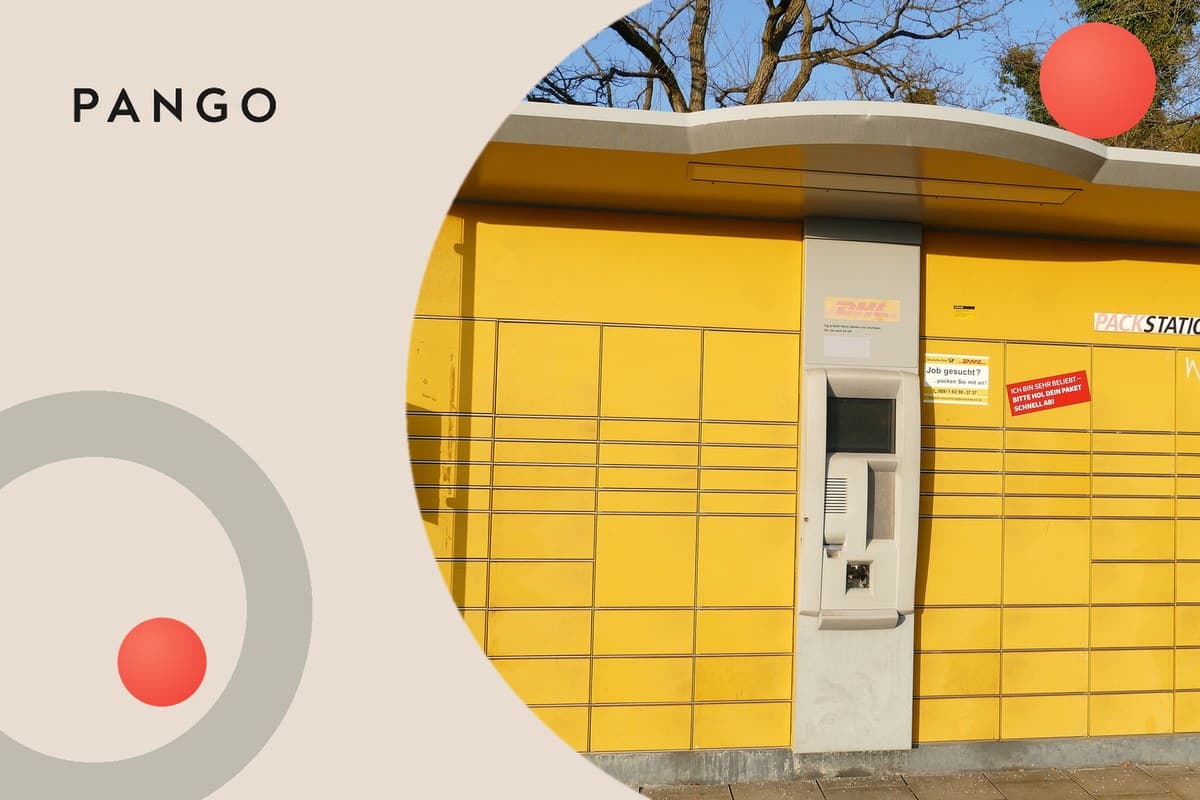
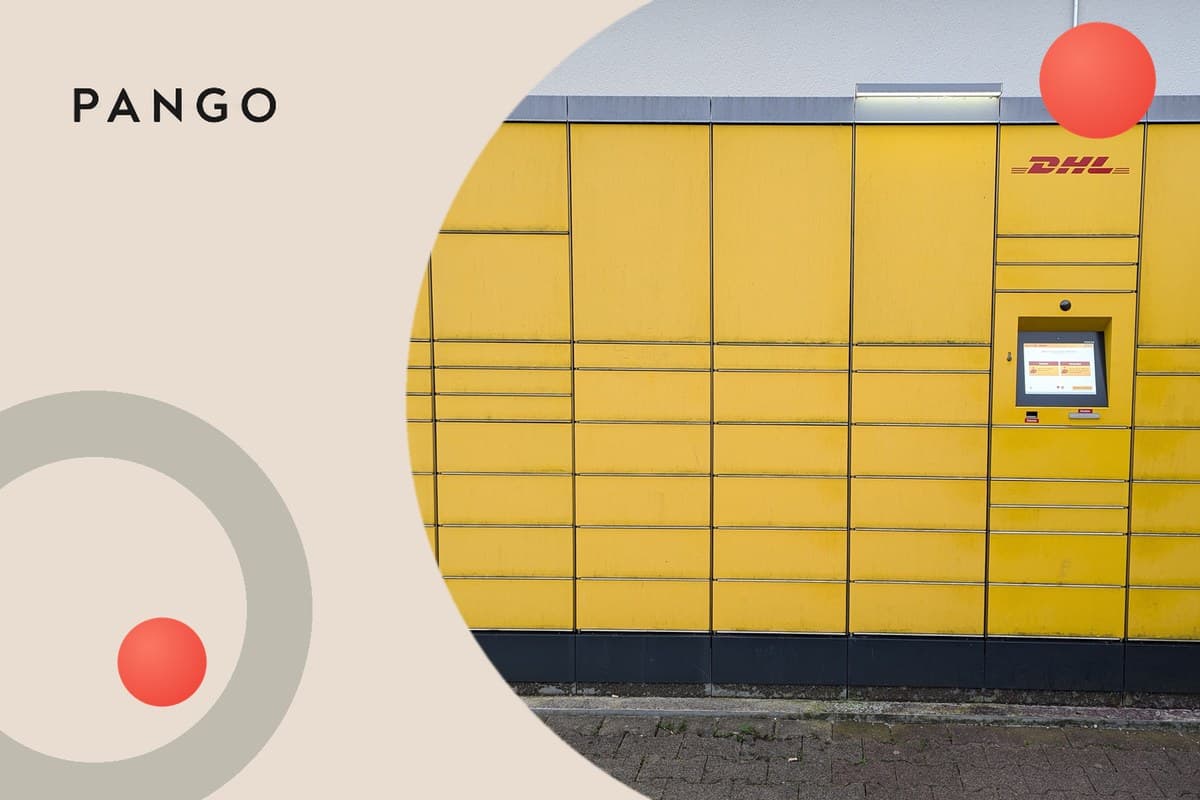
Packstation is DHL's locker network, and it is not a niche. DHL's own page gives "more than 19,000 Packstations and Poststations", inside a fixed network of acceptance and sales points that its 2025 annual report puts at about 41,000 sites. At its July 2025 announcement DHL operated around 15,500 Packstations, used by a registered customer base in the high single-digit millions, and the stated target is 30,000 Packstations by 2030. A DHL board member explained the economics to heise plainly: a parcel costs less when it is delivered to a Packstation, because the driver drops many parcels at one place.
For a merchant the consequence is simple. German shoppers who buy from a foreign store will ask for Packstation delivery in numbers, and a checkout that cannot take it correctly produces failed labels, returned parcels and support tickets, in a market where delivery choice is part of the buying decision.
What the Postnummer is
The Postnummer is the shopper's personal DHL customer number. DHL's registration page describes it as "your personal DHL customer number, which is assigned to you after registering for a DHL customer account", "directly linked to your customer account" and "not transferable", and states plainly: "You need the post number to receive parcels at a Packstation or a postal outlet."
Getting one is not instant. DHL's own steps are: create a customer account (about five minutes), then verify identity either through POSTIDENT in the Post & DHL app (about 5 to 10 minutes) or through an activation letter sent by post with a code (about 2 to 4 days). So a shopper who reaches your checkout without a Postnummer cannot obtain one in the time it takes to finish the order.
DHL also prescribes exactly where the number goes. From its receiving page: after the name, "enter your personal customer number (also called Postnummer) in the 'Address addition' field", write "Packstation" in the street field and "the three-digit number of the Packstation" in the house number field, then the postcode and town. The same structure, with "Postfiliale" as the street, addresses a parcel to a post office counter, and DHL's help page for that service says "Always include your personal post number in the address supplement."
Why the label fails without it
This is not a soft preference. DHL's Parcel DE Shipping API defines a separate consignee type for lockers, identified by a locker ID, and its documentation states that for Packstation and Postfiliale Direkt "a 6-10 digit postal number ('PostNummer') is provided." Integrators report the resulting error when the field is missing: the post number must consist of 6 to 10 digits. Fulfilment providers describe the downstream version: byrd's guidance is that a valid Postnummer is "a number between 6-10 digits" that must sit in the company name or address-addition field, and that Packstation shipments without one are blocked at release. A German 3PL's integration guide puts the business consequence in one line: without the Postnummer, DHL cannot associate the parcel with the right compartment, and the delivery fails at the station.
The failure is also late. The shopper typed "Packstation 123" into the street line, the order passed every check, and the problem surfaced when the warehouse tried to print the label, or when the parcel reached the locker. Each one is a ticket, a delay and sometimes a return at the merchant's cost.
DHL does offer a way to check a number before shipping: the Parcel DE Postnumber API takes a first name, last name and post number and answers true or false, with the reason when false (the number does not exist, is blocked, or is not yet activated for Packstation; or the name does not match). It is available to DHL business-contract customers after approval, and only for preparing shipments.
What DHL is changing
On 7 July 2025 DHL started a one-year pilot in which shoppers of about 20 participating shops, CEWE and Bike Components among them, can have an order delivered to a Packstation without a DHL account: they choose the station in the shop's checkout and receive a pickup code by email once the parcel is in the locker. Benjamin Rasch, who heads marketing and product management for DHL Group's German post and parcel business, framed it as winning the customers who have so far shied away from the effort of registration. DHL's help page already reflects it: "If your online shop offers Packstation without requiring registration, you do not need to register separately."
A nationwide rollout has been announced for 2027, and the reporting so far says it will most likely apply to commercial shippers only; a private sender will still need a registered recipient. The merchants' association Händlerbund points at the cost of that convenience: DHL's identity verification of the recipient falls away, so the fraud risk moves to the shop, and DHL will not disclose recipient data. Expect shops to show the registration-free option only to known customers, prepaid orders or low-value baskets.
So the Postnummer problem is shrinking, but not gone: until 2027 it applies to every DHL Packstation order outside the pilot, and after 2027 it still applies wherever a shop decides not to carry the risk.
The three ways to fix the checkout
1. Make Packstation a delivery method, not an address. Use DHL's Location Finder API, which returns every Packstation with its station number, an ID and opening hours, so the shopper picks a station from a list or a map instead of typing a street line. The checkout then writes the address in DHL's exact format itself. Collect the Postnummer in its own field, validate it as 6 to 10 digits before the order is placed, and tell the shopper where to find it (in the Post & DHL app). If you hold a DHL business contract, confirm the name and number through the Postnumber API before the order is accepted. Apps exist for Shopify and Shopware that do all of this, including correcting orders that came through express checkouts such as Shop Pay, which skip custom fields. The field-by-field version, for Shopify, Shopware, Ongoing WMS and the DHL API, is in how to add DHL Packstation to your checkout and WMS.
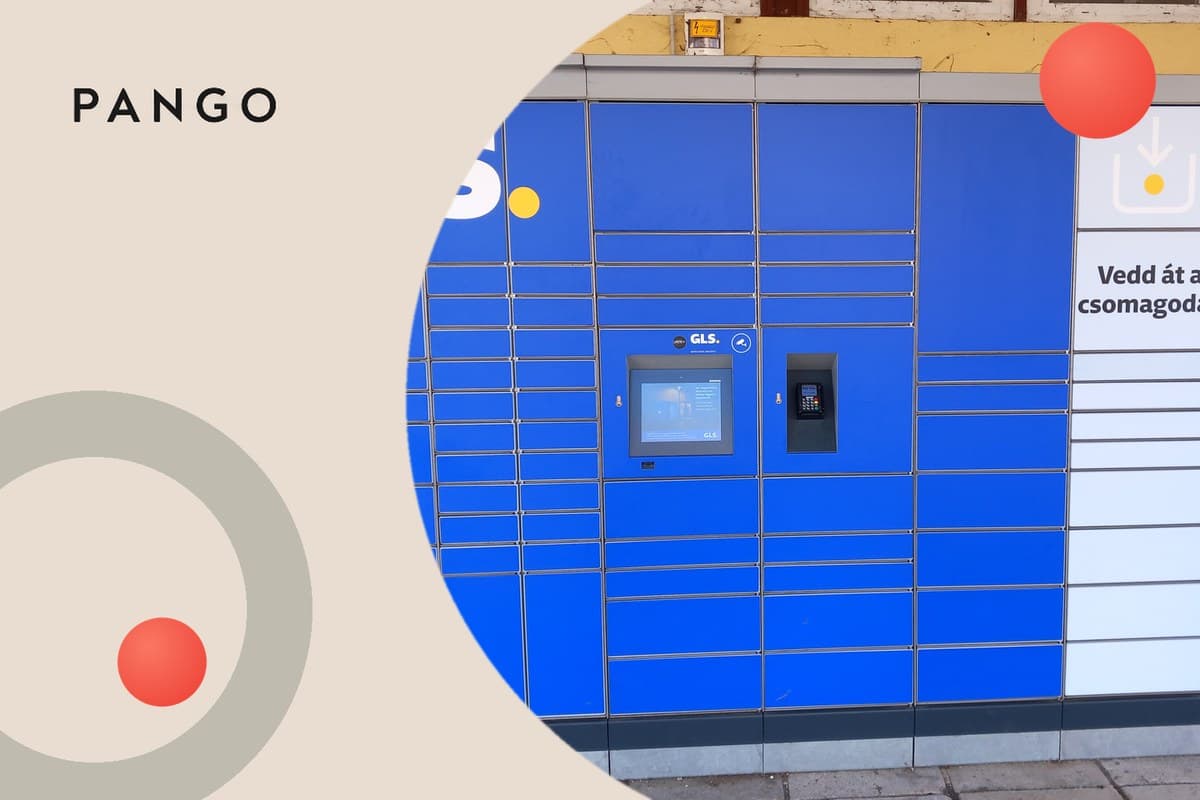
2. Offer pickup options that need no customer number. Germany has several carrier shop networks that accept a parcel for a named recipient without a registration: Hermes PaketShops, DPD Pickup parcel shops and GLS parcel shops. A checkout that offers one of them next to the Packstation gives the shopper without a Postnummer a way to complete the order instead of leaving. The same logic applies to the DHL Postfiliale, with the caveat that DHL asks for the post number there too.
3. Prepare for registration-free Packstation delivery as a rule, not a switch. When your DHL contract allows it, decide per order whether to show the registration-free option: a known customer with a payment history, a prepaid method, a basket under a threshold. That keeps the fraud exposure Händlerbund describes where you can see it, and it keeps the option off for the orders where DHL's identity check used to protect you.
Whichever of the three you choose, validate at checkout and test before launch. The German 3PL guide's closing instruction is the right one: place a real order to a real Packstation address and confirm the label passes DHL's API before you tell German customers the option exists.
For merchants
The Packstation problem is a checkout problem, an order-data problem and a carrier-booking problem at once, and most stores fix only the first. The shopper's locker choice and Postnummer have to survive the trip from the checkout through the order management system and the warehouse to the carrier call, as structured fields, or a correct checkout still produces a failed label. Pango treats a Packstation as a delivery method: the station and the post number are collected and validated in the checkout, carried on the order record to the warehouse and the carrier booking, and the registration-free option can be written as a per-customer rule rather than a global setting. If you are expanding to Germany and want to see how your own carriers and checkout handle it, start with carrier management software.
The bottom line
A Packstation order needs the shopper's Postnummer in the right field, in DHL's format, all the way to the label, and a checkout built outside Germany has none of that. Build the locker in as a delivery method with a validated post-number field, give shoppers without a number a parcel-shop alternative, and treat DHL's registration-free option, when it reaches you, as a rule you apply per order.