A package stuck in customs is almost never randomly stuck. Customs holds have causes, the causes are boringly consistent, and most of them are the sender's to fix. Waiting harder does not clear a parcel that is missing a commercial invoice.
Here is why parcels actually stall at borders, who has to act for each cause, and how stores make customs invisible for the next thousand parcels.
Short answer: A package stuck in customs is almost always waiting on one fixable thing: unpaid duty or tax, a missing or incorrect commercial invoice, an unclear contents or value declaration, or a random inspection. Most clear within a few days once the requirement is met. Watch for a carrier request to pay a fee or upload documents and act on it fast; if there is none after several business days, contact the retailer.
| Cause | Who fixes it | Typical clear time |
|---|---|---|
| Unpaid duty or tax | The recipient (pay the carrier's link) | Hours after payment |
| Missing / wrong commercial invoice | The sender (retailer) | 1 to 3 days |
| Unclear value or contents declaration | The sender (retailer) | 2 to 5 days |
| Random inspection | Customs (just wait) | 3 to 7 days |
| Restricted or prohibited item | May be returned or seized | Varies |
The real reasons packages get stuck
- Unpaid duties or import VAT. The most common cause for shoppers. The parcel shipped DDU/DAP, so the carrier is waiting for the customer to pay duties plus a handling fee before releasing it. The parcel is not "stuck", it is held for payment.
- Missing or vague paperwork. No commercial invoice, a description like "gift" or "merchandise", a missing HS code. Customs cannot classify what it cannot read.
- Valuation queries. The declared value looks wrong (too low is the classic), so customs asks questions. Undervaluing to dodge duties is what turns a two-day hold into a seizure risk.
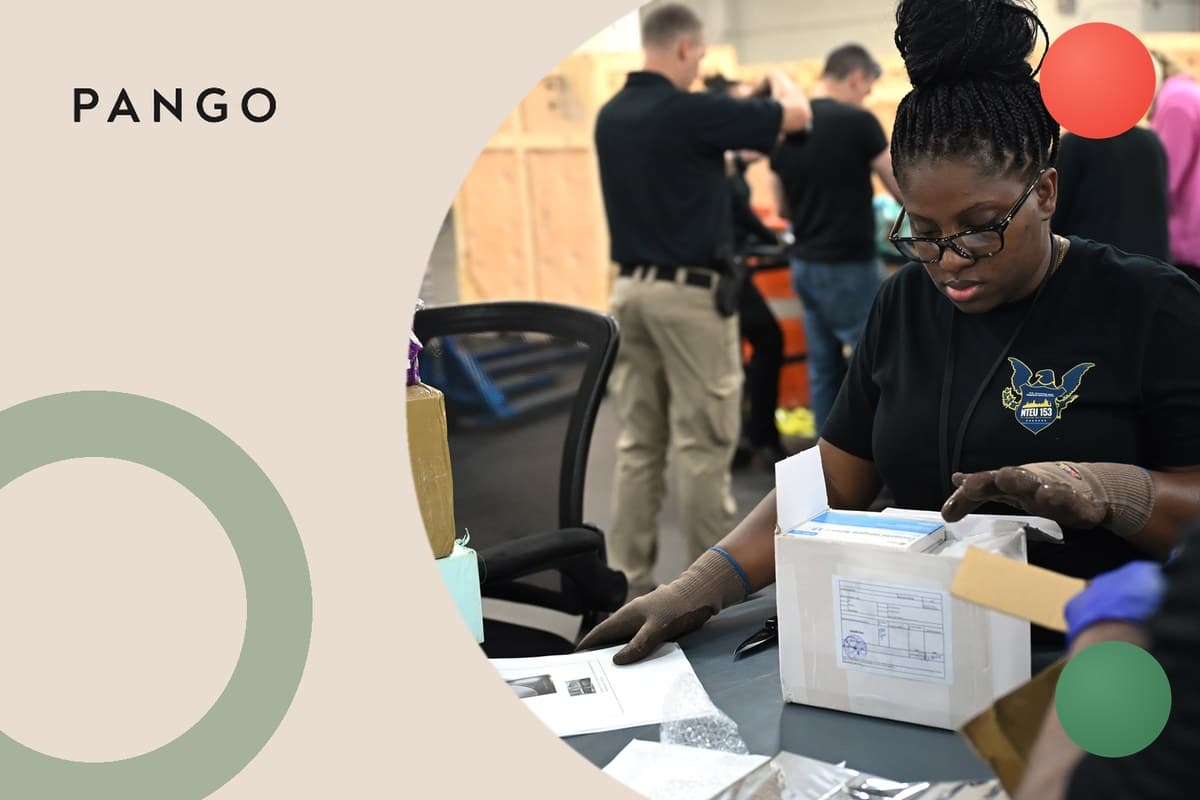
- Restricted or inspected goods. Batteries, cosmetics, food supplements and anything organic draw extra checks in many countries.
- Random inspection or backlog. A real but overused explanation. Peak season and strikes create genuine queues, but if your parcels stall repeatedly, the cause is in the first four.
The status usually reads "held by customs", "clearance event" (DHL's wording), "customs clearance" (Bring into Norway), or a generic delivery exception.
Who has to act
The customer acts when duties are due on a DDU shipment: pay the carrier's import invoice and the parcel moves, usually same day. Nothing else the customer does speeds up customs.
The store acts on everything else: supplying the missing invoice, correcting the HS code or value, answering the valuation query. The carrier's broker handles the conversation, but the data comes from you.
Nobody needs to act during genuine inspection queues. One to three days of customs silence on a cross-border parcel is normal. It becomes a problem when the status repeats for a week or explicitly asks for documents or payment.
What does "awaiting customs clearance" mean?
"Awaiting customs clearance" is the carrier telling you the parcel has arrived in the destination country and is queued with the customs authority or the carrier's customs broker, and nothing has been decided yet. It is a waiting state, not a problem state. Three things can be happening behind it: the declaration is in a normal queue and will clear in hours to two days; duty or import tax has been assessed and the carrier is about to ask the receiver to pay; or the declaration is missing something, usually a commercial invoice or a clear description and value, and the broker is about to ask the sender. Shein, Temu and AliExpress parcels often show a variant of this line as "awaiting customs clearance, and [the retailer] will be in contact", which means the retailer's logistics partner, not the receiver, is the one expected to act. The practical rule: under three business days, do nothing; after that, look for a payment or documents request in the carrier's tracking or email before contacting the sender. The timings by cause are in the next section, and the normal durations are in how long customs clearance takes.
How long is normal?
Routine clearance: hours to two days. Payment holds: as long as the customer takes to pay, plus a return-to-sender deadline (commonly one to three weeks). Document problems: however long the sender takes to respond, which is why the stores that answer broker emails in hours have "fast customs" and everyone else has stories.
How stores make customs boring
- Ship DDP on lanes that matter. Duties collected at checkout, cleared before arrival, no payment hold and no surprise fee. The trade-offs per lane are covered in DDP vs DDU.
- Send complete data on every label. Real product descriptions, correct HS codes, honest values, recipient phone number. This is a carrier integration quality question: the data flows from your catalog to the customs declaration automatically or someone retypes it badly.
- Use the schemes built for parcels. IOSS for low-value EU imports, VOEC for Norway. They exist to pre-clear exactly the parcels that otherwise queue. Background in our ecommerce tariffs guide.
- Message the customer at the customs scan. A held parcel with an honest explanation ("customs is processing your parcel, no action needed" or "the carrier will contact you about import fees") produces no ticket. Silence produces a WISMO ticket and a one-star delivery review.
In Pango's order tracking software, the customs scan is a trigger like any other: the customer gets the right message for the cause, repeated holds on a lane flag the data problem behind them, and a returned-by-customs parcel opens the returns flow in return management automatically.
If your question is specifically how long this can go on, the deadlines are set out in how long customs can hold a package, including the payment window that is the only one with a published end.
If your status is the plain queue line rather than a hold, the wording is explained in awaiting customs clearance meaning.
If you run a store and this status is generating tickets, Pango runs a free shipping and returns audit on your own orders as part of a demo; the categories to compare are post-purchase software and returns management software. Book the free audit.
The bottom line
Packages stall at borders for payment, paperwork and valuation, in that order, and the sender controls two of the three. Ship DDP where it counts, put real data on every declaration, and message the customer at the customs scan. Pango automates all three across 100+ carriers. For the returns side, our guide to the best returns management software compares the options. See the post-purchase operations platform and book a demo.