If your tracking says a bag was received rather than your parcel, you have hit one of the odder-looking statuses in shipping. It is completely normal, and here is what is actually happening to your order.
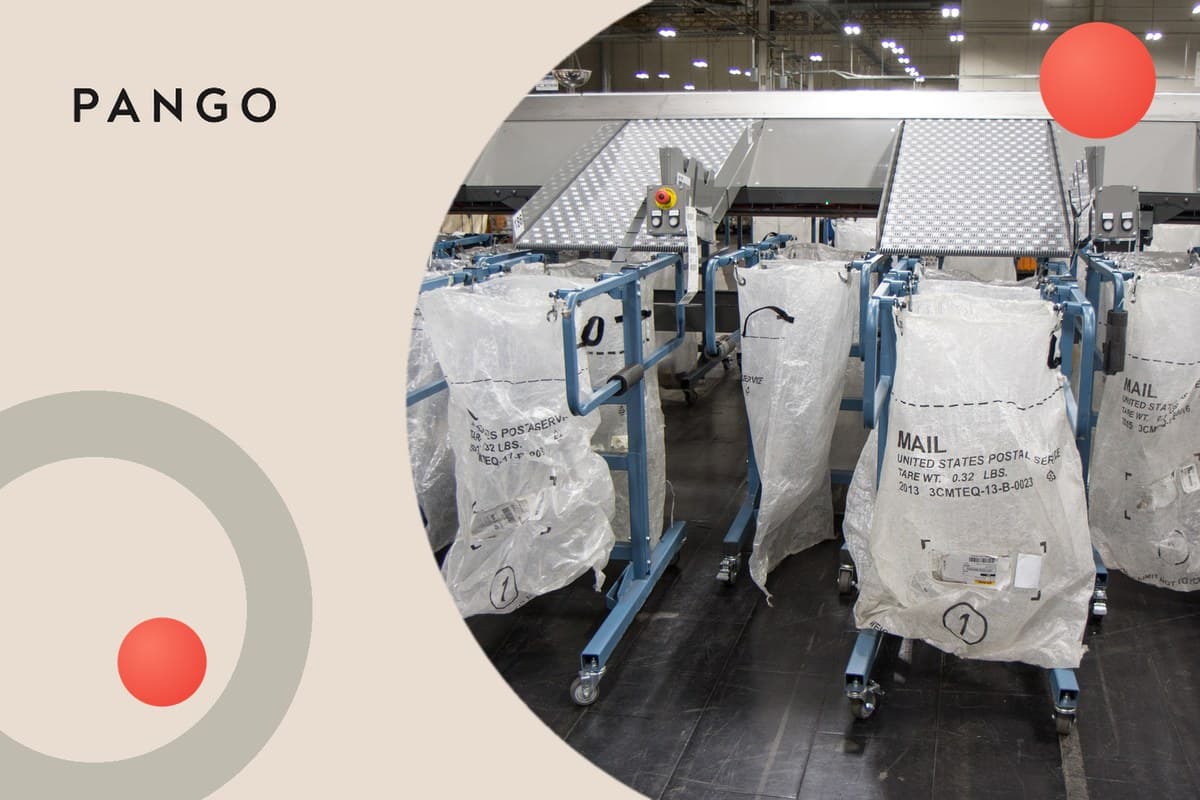
Short answer: "Bag received at facility" means your parcel is travelling inside a consolidated bag or sack with other parcels, and that whole bag has just been scanned into a facility. Carriers move small parcels in bags to save space and handling, especially on cross-border and postal routes. Your individual parcel gets its own scans again once the bag is opened and sorted, usually within a day or two.
Why your parcel is in a bag
Consolidation is standard practice in parcel logistics. Rather than handling thousands of small items individually on every leg, carriers group them:
- Postal and cross-border shipments move in bags or sacks between countries, then get separated at the destination.
- Marketplace and consolidator volumes (the model used by 4PX and Asendia) bag parcels heading to the same region.
- Small, light items are bagged because handling them individually costs more than the shipping is worth.
While your parcel is inside a bag, the carrier scans the bag, not each item. That is why the status references a bag and why individual tracking can look sparse during this stage.
What happens next
| Stage | What you see | Typical timing |
|---|---|---|
| Bag in transit | Bag-level scans, or nothing | Varies by leg |
| Bag received at facility | The bag reached a sorting point | You are here |
| Bag opened / de-bagged | Sometimes shown, often not | Within 1 to 2 days |
| Individual parcel scans resume | Normal statuses return | After sorting |
| Out for delivery | Final leg | Once local |
The reassuring part: "bag received at facility" means your parcel physically arrived somewhere real. The frustrating part: you may see little else until it is unbagged and sorted, which is why patience for a day or two is the right response.
When to worry
Bagged stages hide detail, so judge by total elapsed time rather than scan frequency:
- Domestic: if nothing follows within three to four business days, contact the retailer.
- Cross-border: allow one to two weeks overall, since bagged international legs are slow and add a customs stage.
- Past the promised delivery date with no unbagging scan: worth a query to the retailer, who can trace it.
This is the same principle as any quiet in-transit stretch: no scan does not mean no movement.
How long is normal, and when to act
| Situation | Normal | Act after |
|---|---|---|
| Sitting on "bag received" | 1 to 2 days while the bag is opened | 4 days with no new scan |
| Bag received on a cross-border route | Up to 1 to 2 weeks including customs | Past the delivery estimate |
| No item-level scan after unbagging | A day or two | 5 days, then contact the retailer |
| Bag received then delivered, nothing between | Normal on consolidated routes | Only if it never arrives |
Contact the retailer rather than the carrier. On consolidated shipments the carrier's contract is with the consolidator or the retailer, so they are the ones who can trace it.
What does "item bagged" mean?
"Item bagged" is India Post's version of the bag scan. Speed Post guides that document India Post's event wording define it as: "Your article has been physically placed inside a sealed dispatch bag", grouped with other mail for the same route. It follows "item booked" and comes before "item dispatched" or "bag dispatched", after which "bag received" appears at the next facility. As with every bagging scan on this page, the item is not lost or delayed; it is travelling inside a container and will be scanned individually again when the bag is opened at the destination office. The complete India Post sequence, including "item received", "item sent out for delivery" and the hold statuses, is in India Post tracking statuses.
The merchant view
Bag-level statuses are a bad experience by default. The customer sees a word that has nothing to do with their order, no item-level detail, and a long silence. It is a reliable source of where-is-my-order contacts, particularly on cross-border and consolidator routes where bagging is most common.
Carriers emit anywhere from 10 to 115 distinct statuses each, and consolidation scans are among the least customer-ready. Pango normalizes them across 100+ carriers on your own branded tracking page, so a bag scan becomes an honest "in transit, arriving around Thursday" instead of internal handling language, and a genuinely stalled shipment triggers a proactive update rather than a support ticket.
The step before this one, "item bagged", has its own page with the full Speed Post sequence from booking to delivery: 'item bagged' meaning.
The bottom line
"Bag received at facility" means your parcel is riding in a consolidated bag that has just reached a sorting point, which is routine and mildly reassuring. Item-level scans return once it is unbagged, usually within a day or two. For merchants, translating consolidation language into plain milestones is what stops it becoming support volume. See how it works on the post-purchase operations platform and book a demo.