Aramex is one of the largest logistics providers in the Middle East and a common carrier for cross-border ecommerce into the Gulf, North Africa, and South Asia. Because most Aramex parcels cross a border, its tracking has a customs stage and quiet international legs that worry shoppers unnecessarily.
Short answer: "Shipment created" or "information received" means the label exists but Aramex has not collected the parcel. "Picked up", "in transit", and "arrived at origin/destination facility" are normal movement, and long international legs can go days without a scan. "Out for delivery" means it arrives today. Watch for customs clearance holds (usually a duty or paperwork request) and delivery attempted, which need you to act.
Aramex statuses at a glance
| Status | What it means | Action |
|---|---|---|
| Shipment created / information received | Label exists, not collected yet | Wait |
| Picked up / collected | First scan, in the network | None |
| In transit / departed facility | Moving, incl. international leg | None (quiet is normal) |
| Arrived at destination facility | Landed in the destination country | None |
| Customs clearance / held | At the border | Pay duty or send documents |
| Out for delivery | With the courier today | None |
| Delivery attempted | Could not deliver | Arrange redelivery |
| Delivered | Done | Check if not received |
| Returned to shipper | Undeliverable or unclaimed | Contact the store |
The normal Aramex journey
Shipment created / information received. The retailer registered the shipment; Aramex has the data, not the parcel. Same pre-scan stage as "parcel data submitted to carrier".
Picked up, in transit, departed facility. The parcel is moving. On cross-border shipments there is a long leg by air or road where nothing scans for several days. That silence is normal, the same pattern described in why is my package stuck in transit.
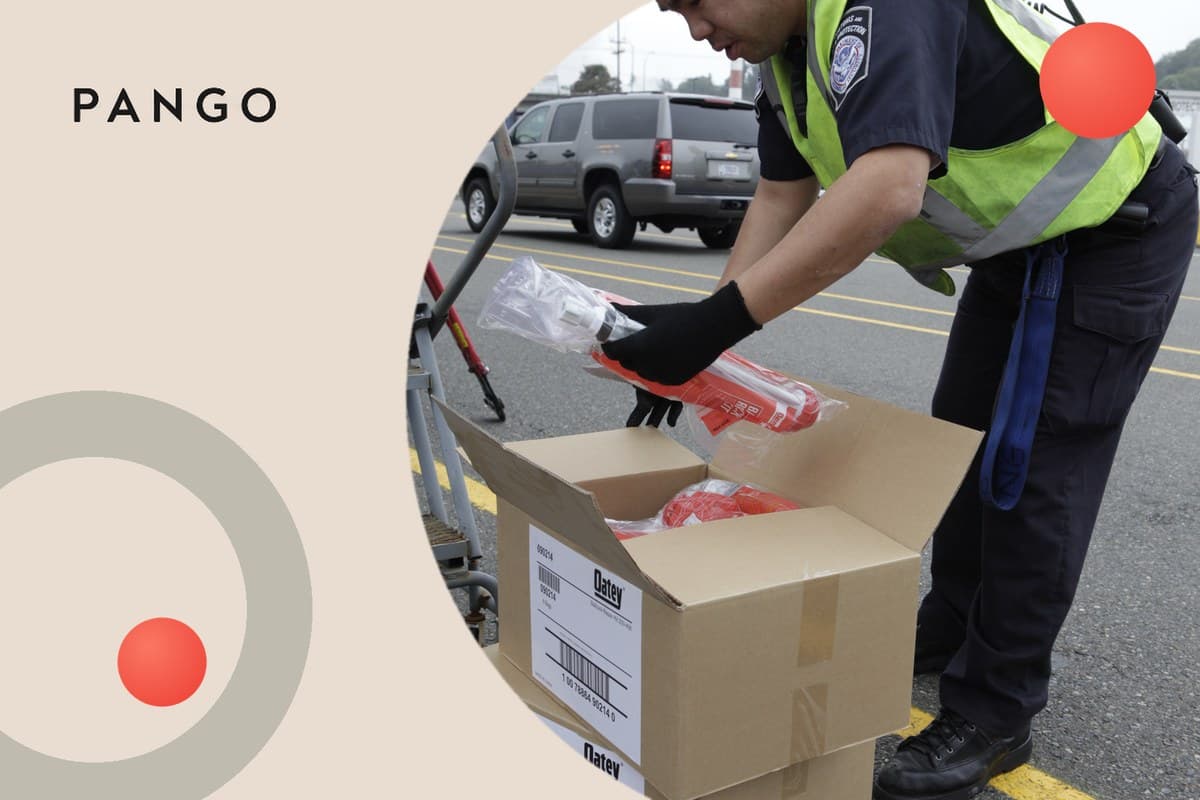
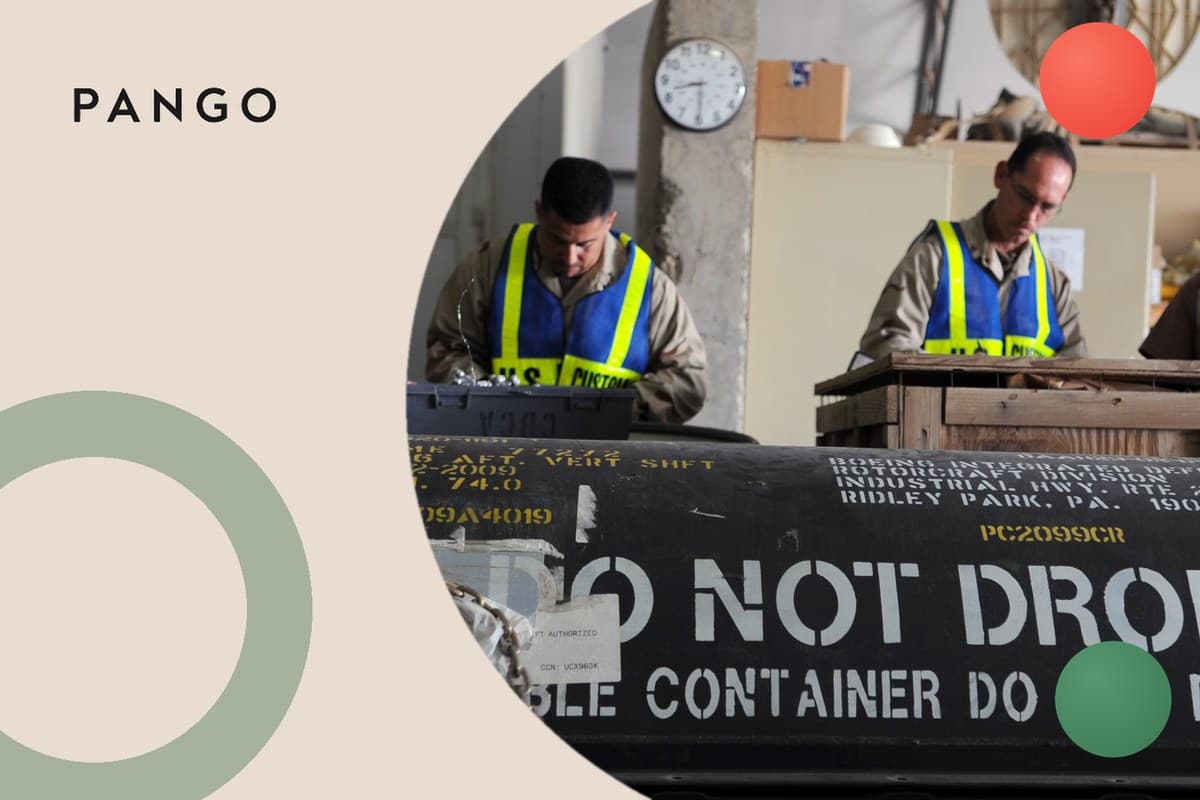
Arrived at destination facility, then customs clearance. The parcel lands and enters the border process. Most clear quickly; holds usually mean duty, tax, or documentation is outstanding. See how long customs clearance takes.
Out for delivery, delivered. Final mile. Aramex often contacts recipients by phone or SMS to arrange delivery in markets where addressing is imprecise, which is worth knowing if you are expecting a call.
The statuses that need action
Customs clearance with a charge. The most common genuine hold on an Aramex parcel. It waits until the duty, VAT, or handling fee is paid, usually via a link or on delivery. Unresolved holds end in a return to sender.
Delivery attempted / recipient unreachable. Because many Gulf and South Asian addresses need confirmation, Aramex may try to call. Respond promptly or arrange redelivery; repeated failures return the parcel.
Address clarification requested. Aramex sometimes asks for a landmark, building name, or phone confirmation. Supply it through the retailer or the tracking link to release the parcel.
The merchant view: cross-border needs explanation, not silence
Selling into the Middle East and South Asia means most parcels pass customs and many need recipient contact. Handled silently, that is a wave of where-is-my-order tickets and refund requests. Handled well, it is a competitive advantage in markets where delivery is often unreliable.
Carriers emit anywhere from 10 to 115 distinct statuses each. Pango's order tracking software connects Aramex alongside 100+ other carriers through prebuilt connectors, normalizes the statuses into plain milestones on your branded tracking page, and turns a customs charge or an address-clarification request into a clear, proactive instruction, so a cross-border parcel does not die quietly at the border. If one still comes back, return management opens the refund or reship automatically. The wider picture is in cross-border returns and DDP vs DDU.
The bottom line
Most Aramex statuses are normal cross-border movement, including quiet multi-day international legs. The ones that matter are customs holds and delivery attempts, both of which need a prompt response. For merchants, explaining those stages automatically is what keeps cross-border from flooding support. See how it works on the post-purchase operations platform and book a demo.