
Shopper help6 min read
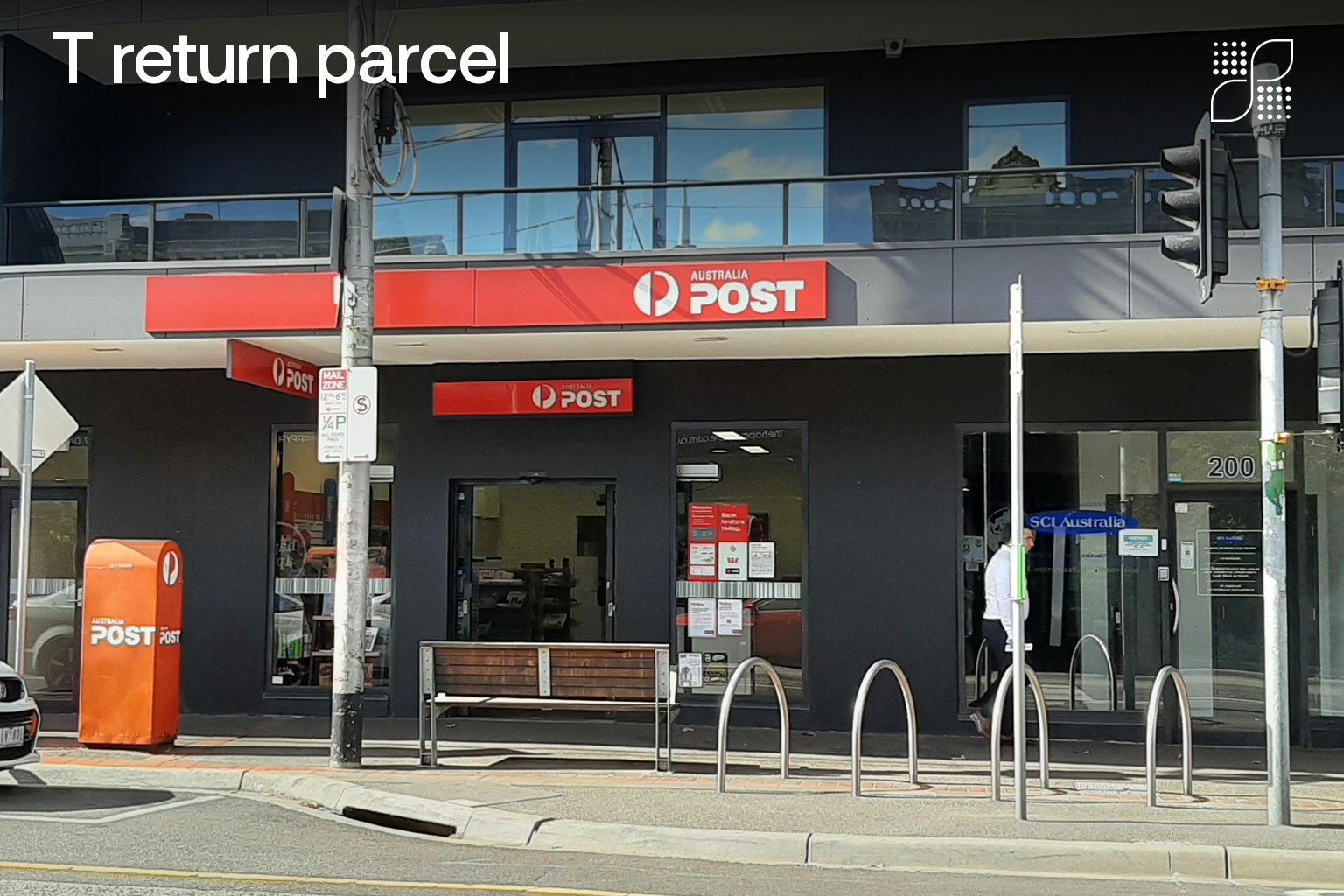
T Return Parcel Meaning: What T-Return Means on Australia Post Tracking
Australia Post does not publish a definition of 'T return' or 'T-return parcel'. What its own pages say about returned, returning to sender and contact sender statuses, the two kinds of return parcel, and who to contact for each.
Manal MayssanGrowth at Pango
Australia Post does not publish a definition of "T return" or "T-return parcel". We searched its help centre, tracking help and returns pages on 22 November 2026 and found no page that uses the term, so nobody official explains what the "T" stands for.
Short answer: What the words do tell you is that the parcel is on a return journey, travelling back towards a sender rather than out to a recipient. Australia Post's own pages describe two kinds of return parcel. One is an item it "was unable to deliver" and is sending back. The other is a parcel a shopper has posted back to a retailer under its returns policy. The earlier lines in your tracking history show which one you have, and the person to contact is the sender in both cases.
If you want the general picture first, see return to sender meaning and the full list of Australia Post tracking statuses.
T return parcel meaning: what Australia Post does define
Australia Post does define the return statuses that sit around a line like this. All quotes below come from its help pages, read on 22 November 2026.
| Status as Australia Post prints it | Australia Post's own explanation |
|---|---|
| Returned | "'Returned' means we were unable to deliver your item so we sent it back to the sender." |
| Returning to sender / Returned to sender | "'Returning to sender' means we were unable to deliver your item." |
| Contact sender | "'Contact sender' means your item has been returned to the sender." |
| Attempted delivery | A driver "tries to deliver your item but is unable to do so" because no one was available or the address "was not easily accessible". |
| Pending | "'Pending' means your item hasn't been scanned into our system yet." |
For both "Returned" and "Contact sender", Australia Post tells the recipient to contact the sender "to organise redelivery." A line that says "T return" sits in this family, but because Australia Post does not define it, treat it as a return label rather than a status with its own rules.
Two kinds of return parcel: undelivered or sent back by a shopper
Australia Post keeps these apart. Its business explainer on return to sender says: "Return to sender is different to a customer returning an item in line with your returns policy."
| Undelivered, going back | A shopper's return to a retailer | |
|---|---|---|
| Who started it | Australia Post, after it could not deliver | The buyer, under the retailer's returns policy |
| What usually comes before it in tracking | Attempted delivery, awaiting collection, or a problem with the address | A drop-off scan at a Post Office or Parcel Locker |
| Who receives the parcel | The original sender | The retailer or its returns address |
| Who to contact | The sender, to organise redelivery | The retailer, about the refund or exchange |
For a shopper's return, Australia Post's returns page says a parcel dropped at a Post Office is "scanned when dropped off and receipt provided", and one left in a Parcel Locker is "scanned when dropped off and confirmation email sent". A parcel posted in a street box gets tracking only "if you use one of our prepaid satchels, or print an online postage label with a free MyPost account."
Why Australia Post sends an undelivered parcel back
Australia Post lists these reasons on its own pages:
- Not collected. "You didn't collect your parcel", or, on its contact sender answer, "We sent a collection notification, but no one picked it up in 10 business days."
- Name not known or delivery declined. "The name on the parcel wasn't known at the address or someone declined delivery."
- Damage. "The item is damaged."
- Wrong or incomplete details. "Some of the details the sender gave us when they posted the item were wrong or weren't complete."
- Wrong address. Its business explainer adds: "The address on the shipping label was incorrect or incomplete" and "It was delivered to an incorrect address."
In each case, Australia Post says the parcel "is labelled 'return to sender' and will be sent back to you", meaning the sender. On the contact sender answer it also says: "we'll let the sender know why the item has been returned to them."
What is t return australia post tracking: how to read your own history
Because the term itself is undefined, the useful information is in the events above it. Open the full tracking history on auspost.com.au or in the AusPost app and look at the line just before the return started.
- An attempted delivery or awaiting collection line points to an undelivered parcel going back to the sender.
- A drop-off scan at a Post Office, Parcel Locker or street box points to a parcel someone posted back to a retailer.
- No events at all may mean the parcel has not been scanned yet. Australia Post says pending items "should update in 24 to 48 hours".
One caution from Australia Post's tracking help: when a scan arrives late, "our tracking tool will only show the most recent and relevant track events", so a history can skip a stage.
What to do next
| You are | What to do |
|---|---|
| The person the parcel was addressed to | Contact the seller. Australia Post's answer is to "contact the sender to organise redelivery". |
| A shopper who posted a return | Keep your drop-off receipt or confirmation email, then follow the retailer's returns policy for the refund. |
| The business that sent it | Check the return address on your labels. Australia Post's advice is: "always make sure your return address is clearly labelled." |
If you are the recipient and the parcel is still with Australia Post, the general steps for a package returned to sender apply. If an earlier line said the parcel was waiting at a Post Office, see awaiting collection meaning for what that hold involves.
For merchants
A return line the shopper cannot decode turns into a support ticket. Pango is an AI-native, agentic operating system for e-commerce logistics: its return management runs returns and exchanges from the merchant's own rules, and its tracking normalizes the differing statuses carriers return into one clear set of milestones on a branded tracking page.
The bottom line
"T return" is not a status Australia Post defines, so do not read more into the letter than the tracking shows. The parcel is heading back to a sender, either because Australia Post could not deliver it or because a shopper posted it back. The line before the return in your history tells you which, and in both cases the sender is the one who can sort out redelivery or a refund.
For the store that sent this parcel
Every carrier status on this page is a question a shopper would otherwise send to a store’s support inbox.
Pango turns every connected carrier’s statuses into one plain set of messages in the customer’s language, sent at the moments that otherwise become tickets. The free shipping and returns audit shows which of your own carriers and statuses generate them.
FAQ
Frequently asked questions
Australia Post does not publish a definition of "T return parcel". The words describe a parcel travelling back to a sender. Your tracking history shows whether it was undeliverable or a shopper's return to a retailer.
Keep reading
More on shopper help



















Book a 15‑minute
demo with a specialist
See how AI would transform your operations.