"Multi-carrier shipping software UK" is a different search from the general one, because a UK brand's carrier set, pickup networks and customs rules are its own: Royal Mail and Parcelforce on the postal side, Evri, DPD, DHL Parcel UK and Yodel on the parcel side, InPost lockers and the carriers' shop networks for Click and Collect, and two borders, the EU's and Northern Ireland's, that did not exist as customs borders before 2021. This page sets out what a UK brand needs from the category, the seven things to look for carried from the buyer's page on carrier management software, and how Pango runs multi-carrier shipping; the general comparison of the tools, with their published prices and carrier claims, is in best multi-carrier shipping software.
Short answer: A UK brand needs multi-carrier shipping software to do five things the general category does, adapted to UK conditions: connect the carriers it actually uses (Royal Mail, Parcelforce, Evri, DPD, DHL Parcel UK, Yodel, InPost) through prebuilt connectors rather than integrations it maintains; choose the carrier and service per parcel against rules and rates, including the Click and Collect and locker services that UK shoppers choose at checkout; print each carrier's label in the format the warehouse uses and book collections; normalise seven carriers' tracking vocabularies onto one set the brand's tracking page can show; and handle returns labels across the same carriers. On top of that, two UK specifics: the customs data and documents for parcels to the EU, and the Northern Ireland arrangements, which GOV.UK describes as implemented under the Windsor Framework, with no customs declarations or duty for parcels between private individuals and separate guidance for businesses and carriers. Pango runs multi-carrier shipping as part of the whole post-purchase operation, outbound carrier selection and routing, labels, warehouse pick and pack, tracking and returns on one order record, connected to more than 100 carriers through prebuilt connectors.
Free for DTC brands: Pango runs the shipping and returns audit on your own order and carrier data as part of a demo: fifteen numbers across checkout, carriers, warehouse handover, tracking and returns, the three that matter most for your operation, and the same orders shown running on one system. Book the free audit.
The UK carrier set, and why one connector each is not enough
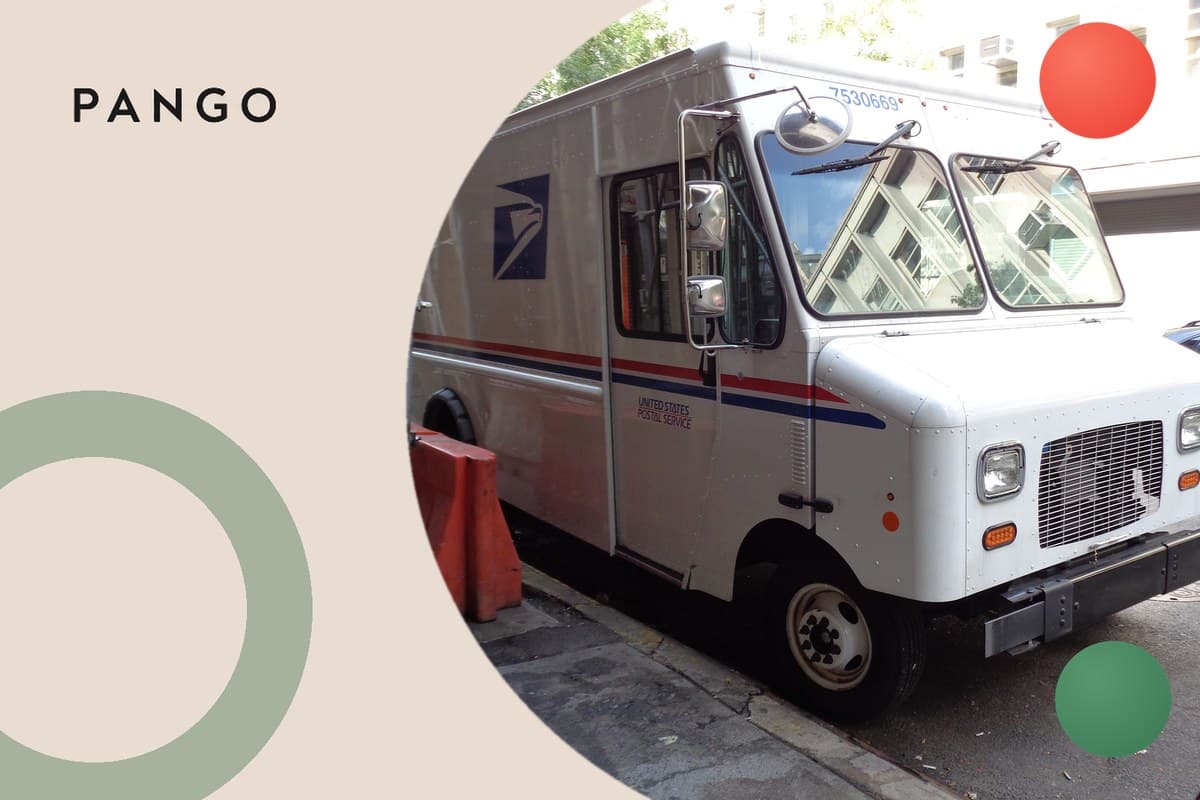
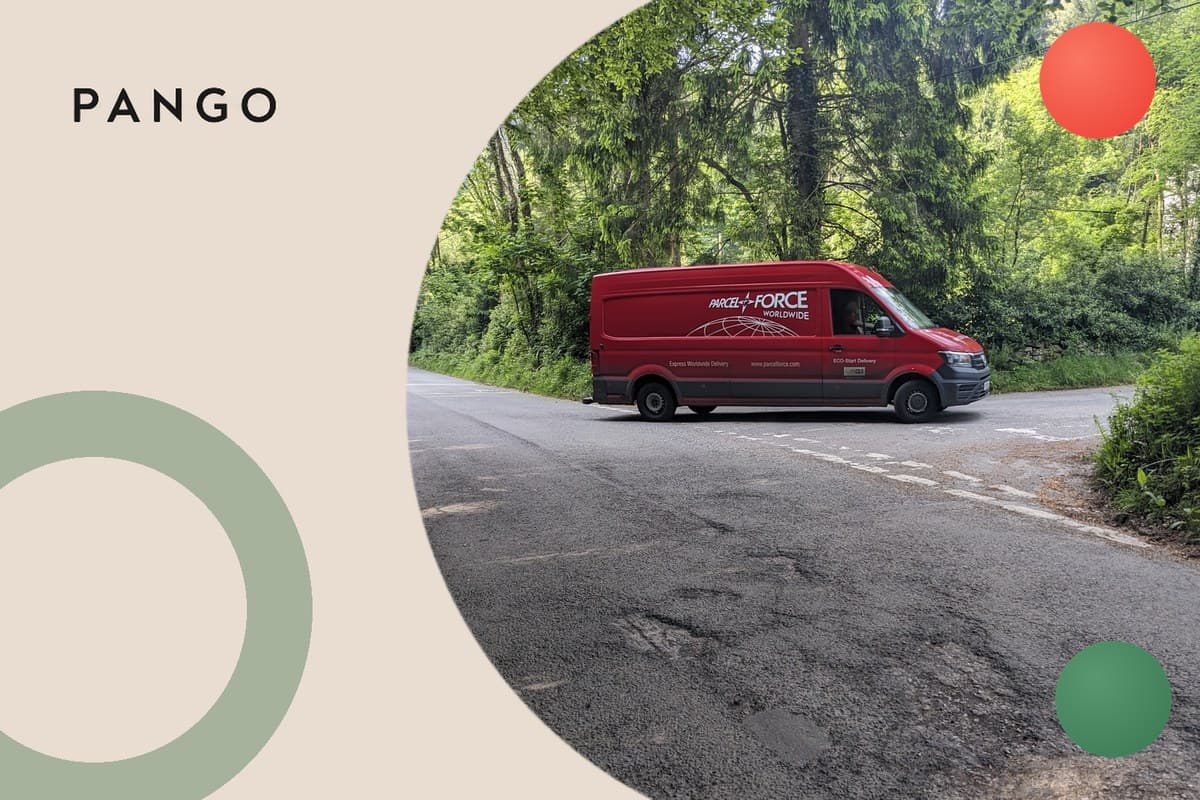
The carriers a UK brand runs are a mix of postal and parcel networks with different vocabularies, services and pickup models. Royal Mail (letters and small parcels, Tracked 24 and 48, delivery into the evening on parcels), Parcelforce (Royal Mail's parcel arm), Evri (home delivery and the ParcelShop network), DPD (one-hour delivery windows and Pickup shops), DHL Parcel UK, Yodel (seven-days-a-week delivery) and InPost (lockers). Each writes its own statuses: what Royal Mail calls "we've got it" Evri calls "on its way" and DPD calls "we have your parcel"; the vocabularies, and what each status needs, are in the carrier hubs, Royal Mail, Evri, DPD, Yodel and InPost. Multi-carrier software earns its name by holding all of those connections, with their label formats, service codes and status maps, so that adding a carrier is configuration rather than a project; what a single connection involves is in what is carrier integration.
What a UK brand needs from the software
| Need | What it means in the UK | What to ask |
|---|---|---|
| Coverage of the UK carriers | Royal Mail, Parcelforce, Evri, DPD, DHL Parcel UK, Yodel, InPost, through prebuilt connectors; your own carrier accounts and rates | Which of these are live today, and whether each service (Tracked 24, Next Day, ParcelShop, locker) is a selectable option |
| Click and Collect and lockers | The carriers' shop and locker networks (Evri ParcelShops, DPD Pickup, InPost lockers, Post Office branches for Royal Mail) offered at checkout with the pickup point chosen on a map | Whether the pickup point is selected at checkout and written into the label, and whether the collection deadline is messaged |
| Rules and rate shopping per parcel | Service by weight, size, value, postcode (the Highlands and Islands and Northern Ireland lanes have their own timings and surcharges), promised date and measured performance | Whether a rule can use postcode exclusions and measured on-time by lane, not only price |
| Labels and collections | Each carrier's label format, printed at the packing bench; collections booked without a portal | Which formats, and whether the label step lives in the warehouse flow |
| Tracking normalisation | Seven vocabularies onto one set for the brand's tracking page and support | How many UK carriers are mapped, and who maintains the maps |
| Returns labels | Prepaid labels or QR codes across the same carriers (Royal Mail, Evri, InPost are the common UK return routes), with the return tracked back | Whether returns run on the same record as the outbound label |
| Customs for the EU and Northern Ireland | Customs data and documents on EU parcels; the Northern Ireland parcel arrangements as GOV.UK publishes them | Whether customs data is generated on the same label call, and how the software handles the Northern Ireland lane |
Northern Ireland and the EU, as GOV.UK publishes them
Two borders changed how UK parcels move. For the EU, a parcel from Great Britain is an export with customs data and, depending on the destination's rules, duties and VAT on arrival; the choice between the seller paying them at checkout and the customer paying on delivery, and what each does to refusals, is in DDP vs DDU. For Northern Ireland, GOV.UK's guidance on sending parcels between Great Britain and Northern Ireland states that "the new arrangements set out in the Windsor Framework have now been implemented", with separate guidance for a private individual, a business and "an express operator or another organisation responsible for sending parcels from Great Britain to Northern Ireland". For parcels between private individuals, GOV.UK states: "There are no customs declarations, customs duty or presentation of goods to customs authorities for these movements." The arrangements for business-to-consumer and business-to-business parcels, and the carrier's role under them, are set out in GOV.UK's business and carrier guidance rather than restated here; the practical requirement for multi-carrier software is that the Northern Ireland lane is handled as its own lane, with the data the carrier needs attached at label time and the delivery promise set from that lane's measured timing rather than the Great Britain one.
The seven things to look for
Carried from the buyer's page on carrier management software, in the UK's terms: rate shopping across the UK carriers with surcharges included; routing rules that can use postcode exclusions and measured lane performance; label generation in every carrier's format with customs documents on the same call for EU parcels; tracking normalisation across the seven vocabularies; performance analytics per carrier, service and lane (on-time against the promise, handover time, first-attempt rate, cost per parcel with surcharges); fallback when a carrier fails, at checkout and at label time, which matters most in the Christmas peak when a carrier's service to a postcode is withdrawn; and the warehouse tie-in, so the label is printed when the parcel is packed and the handover to the carrier is measured. The detail of each, and the question to ask a vendor, is in carrier management software.
How Pango runs multi-carrier shipping
Pango runs multi-carrier shipping as part of the whole post-purchase operation rather than as a separate tool. Its shipping module does multi-carrier orchestration, routing, rate shopping, label generation, shipping rules and multi-warehouse fulfilment, whether the brand owns the warehouse or uses a 3PL, and connects to more than 100 carriers through prebuilt connectors. Its checkout delivery module controls the logistics half of checkout, shipping methods, pickup-point maps, prices, ETAs and carrier-failure fallback, which is where Click and Collect and locker options are chosen. Its pick-and-pack module prints the label when the parcel is packed, tied back into shipping and tracking. Its tracking module normalises the differing statuses carriers return onto one set and treats a shipment status as an operational trigger, and its returns module runs labels, cross-border documents and refund logic per merchant and per country on the same record. Routing and refund logic are built to fit: on install Pango reads the merchant's database, schema and delivery and returns policies and generates the operations that need automating. Pango is not an order management system; it sits on top of the store's OMS and reads its order data. The difference from the tools that print labels and leave the rest is that Pango runs it: routing, pick and pack, tracking and returns on one record.
The bottom line
A UK brand needs multi-carrier shipping software that connects its own carrier set and their pickup networks, chooses and labels per parcel with the Highlands, Islands and Northern Ireland lanes treated as lanes, normalises seven vocabularies onto one tracking page, and runs returns and customs on the same record. Judge it on the seven things, especially fallback and the warehouse tie-in, and ask whether it shares a record with the tracking page and the warehouse.