"Awaiting collection by the consignee" is the DHL status that sends people to a search box, because it uses a shipping word for a plain situation. This page explains who the consignee is, where the parcel is, why the status appears, how long you have, what to bring, and what to do if you cannot get there in time.
Short answer: The consignee is you, the person the parcel is addressed to. "Awaiting collection by the consignee" means DHL is holding the parcel for you at a service point, parcel shop, locker or depot and is waiting for you to pick it up. It appears after a missed home delivery, when you or the sender chose a collection point, or when a delivery address could not be used. There is a deadline: DHL Express keeps hold-for-collection shipments for up to 7 days at no extra cost, after which the parcel goes back to the sender. Bring the notification and photo ID, or forward the collection details to someone who can go for you.
Who the consignee is
In carrier language the shipper (or consignor) is the party that sends, and the consignee is the party that receives. On a parcel you ordered, the consignee is you. DHL phrases this stage as "awaiting collection by the consignee" where other carriers say "ready for collection" or "available for pickup"; the meaning is the same, and the general version of the status across every carrier is on awaiting collection meaning.
Where the parcel is
One of four places, and the notification tells you which:
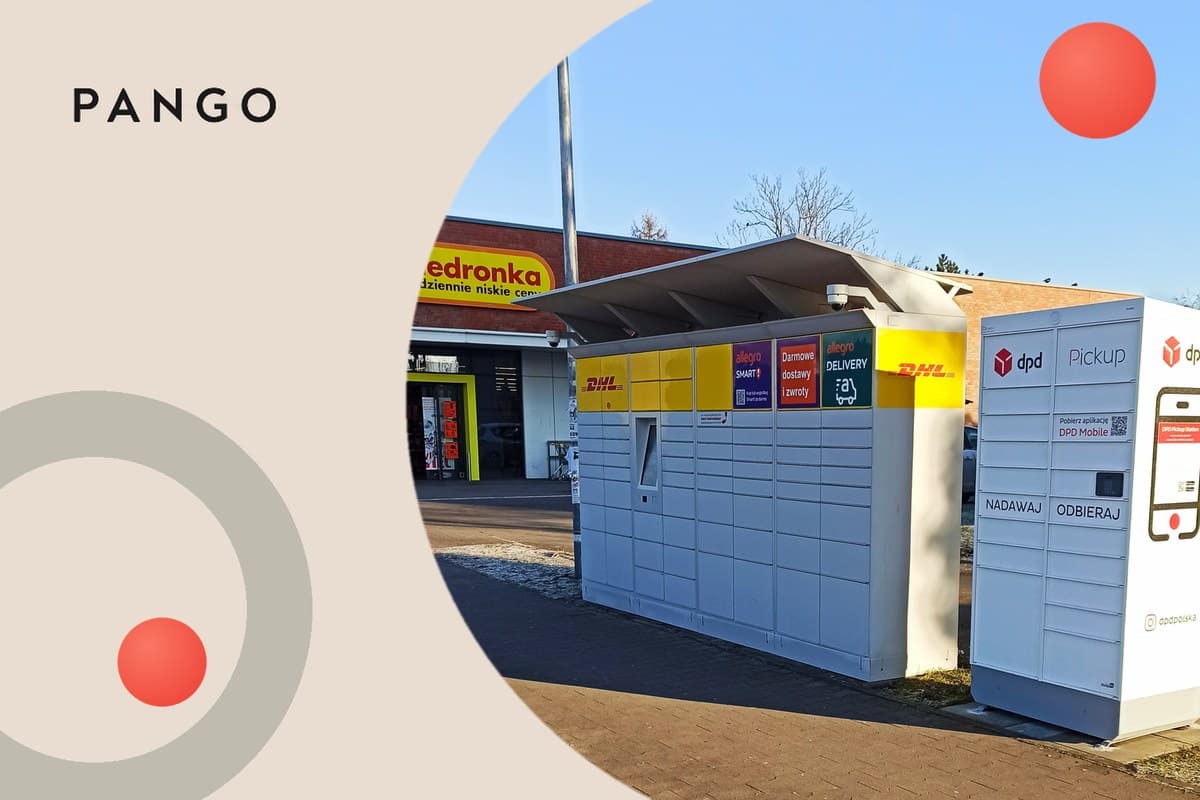
- A DHL service point or parcel shop, a counter inside a shop or a post office.
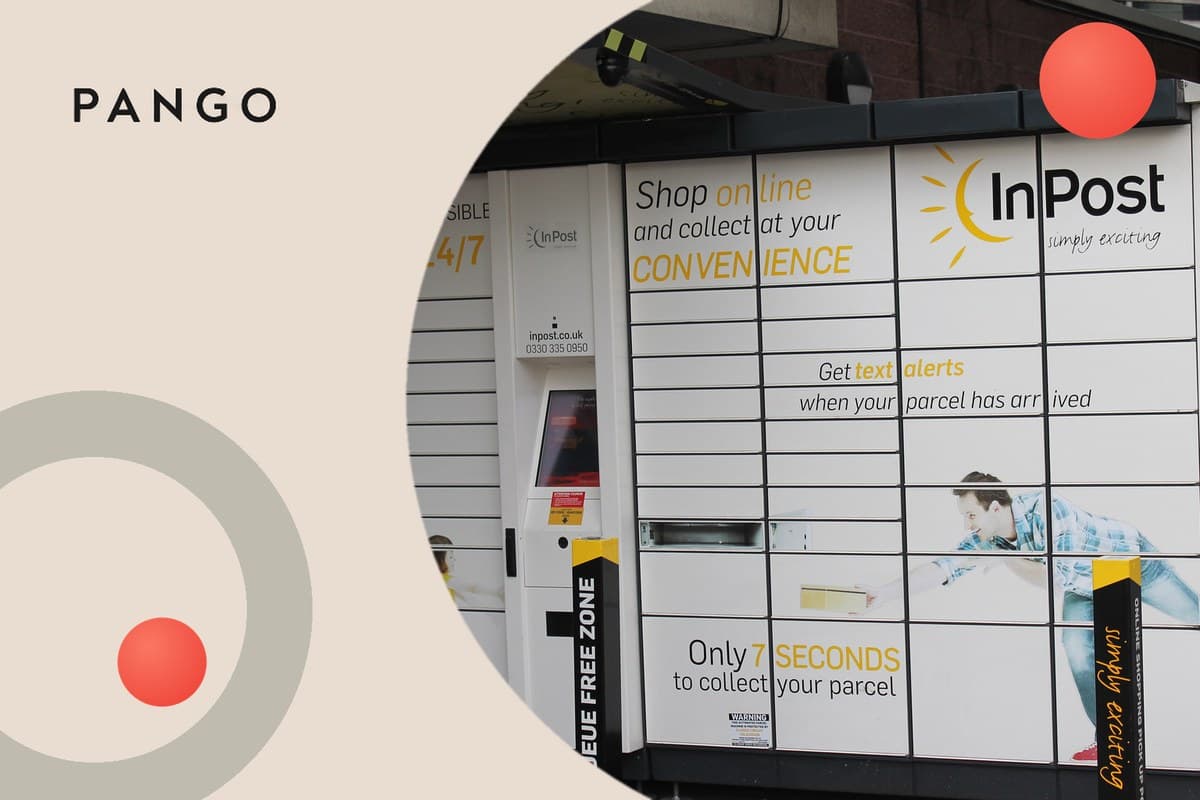
- A locker, opened with the code in your notification.
- A DHL depot or service centre, usually for larger items or when no shop is nearby.
- The delivery station that attempted delivery, holding the parcel for a re-attempt or collection.
The tracking detail line normally names the location. If it does not, the notification (email, SMS, app message or a card left at the door) does.
Why the status appears
- A missed home delivery. The driver attempted delivery, nobody could receive it, and rather than retry at once the parcel was taken to the nearest collection point. The attempt scan comes first; the "awaiting collection" scan follows. What each attempt reason means is in attempted delivery meaning.
- You chose collection. Through DHL's delivery options you can redirect a parcel to a service point or ask for it to be held; the status then appears as soon as the parcel arrives there.
- The sender chose collection. Some shops ship to a pickup point by default, especially for lockers.
- The address could not be used. Access problems, a business closed on the day, or an incomplete address lead to a hold rather than repeated attempts.
How long you have
DHL Express keeps hold-for-collection shipments "for up to 7 days at no extra cost". After the hold period the parcel is returned to the sender, which shows on the tracking as a return-to-sender event; what happens then, and how to get the item back, is in package returned to sender meaning. Other networks are shorter: InPost gives three days (72 hours) once a parcel lands in a locker, and FedEx also holds for up to 7 days. The clock starts at the "awaiting collection" scan, not at the delivery attempt, so read the date on that scan.
What to bring
- The notification with the parcel reference or collection code, on your phone or printed.
- Photo ID in the consignee's name. Counters match the name on the parcel to the person collecting; lockers only need the code.
- For someone else to collect, send them the notification and, where the carrier asks for it, a note of authorisation and a copy of your ID. Carriers that require photo ID matched to the addressee are stricter, so check the collection message before you send someone else.
If you cannot collect in time
Use the delivery options in the notification or in DHL's tracking to ask for a re-delivery to your address, a longer hold where offered, or a different collection point. If none of those is available, contact the sender before the hold period ends: the sender holds the contract with DHL and can request a change or a re-send. Do not let the deadline pass in silence; a returned parcel costs the shop a second shipment and you a wait of a week or more.
"Awaiting collection" when you chose home delivery
This happens when the attempt failed or the address could not be served. The driver's attempt scan explains why, and the collection point is the fallback. If no attempt was made and the parcel went straight to a collection point, the address or access instructions are the thing to check before the next order.
For merchants
"Awaiting collection by the consignee" is a status with a deadline, and the deadline is where the money leaks: a parcel that times out comes back as a return the customer never asked for, and the shop pays for the second shipment and loses the sale while it travels. The fix is to treat the collection scan as a milestone with a clock: tell the customer where the parcel is, what to bring and by when, in plain words and in their language, and remind them before the hold expires. Pango normalises DHL's wording and every other connected carrier's onto one status set, sends the collection-deadline message automatically, and turns a timed-out parcel into a returns event with a decision attached rather than a surprise. If you run a store and this status generates tickets, start with carrier management software.
The bottom line
The consignee is you, the parcel is at a counter, locker or depot named in your notification, and the clock is running: DHL Express holds for up to 7 days. Bring the notification and ID, send someone with the details if you cannot go, or ask for a re-delivery before the hold ends.