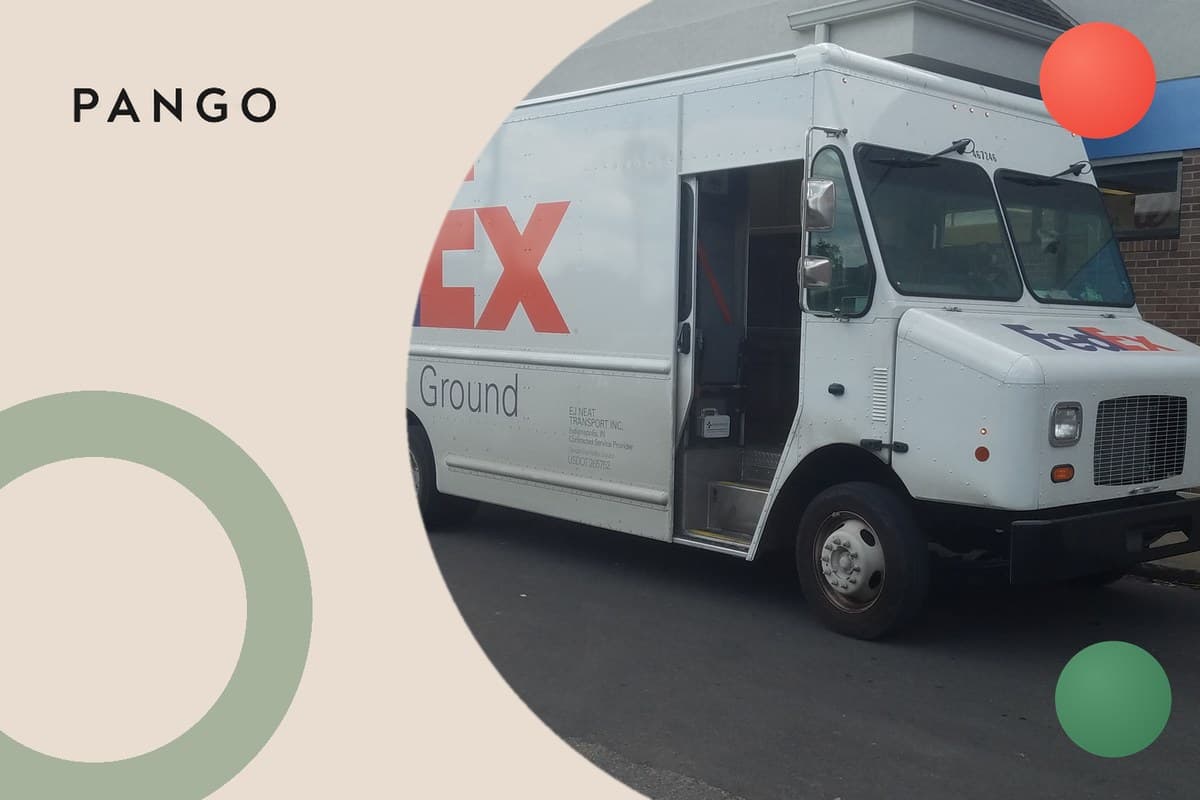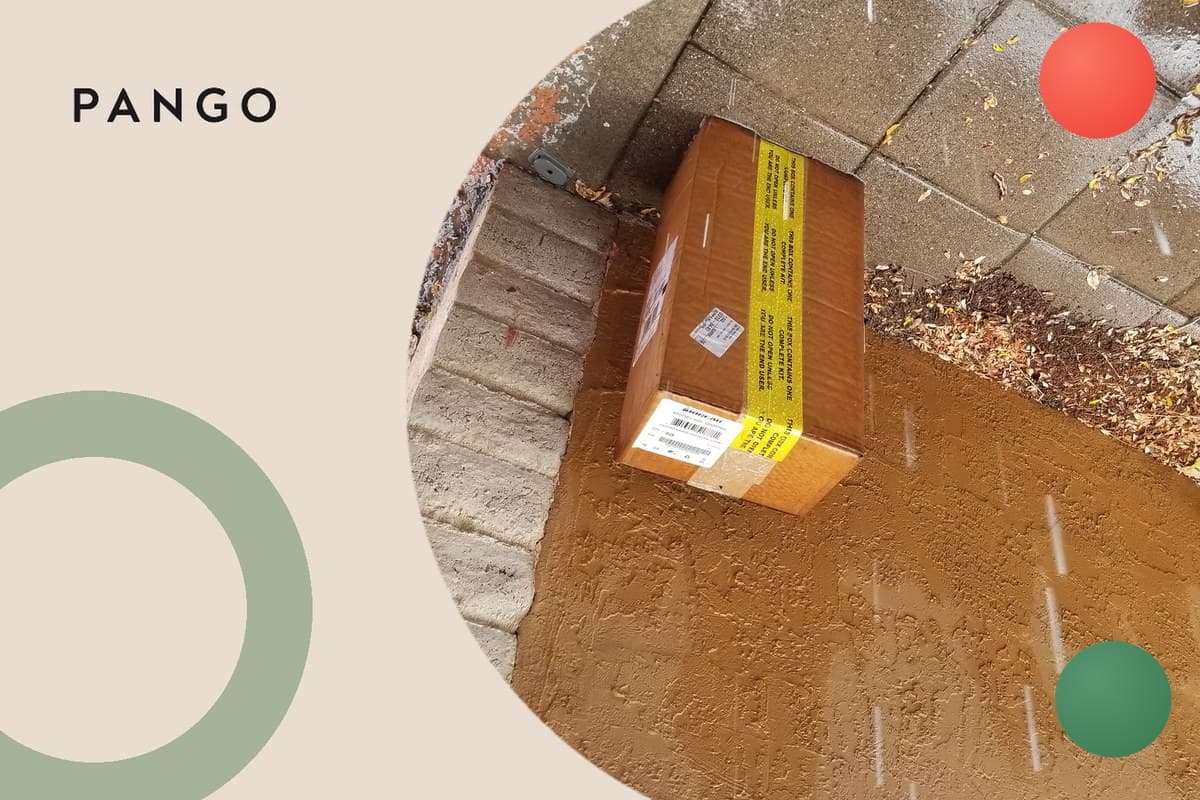
"Delivery attempted" is one of the most searched tracking statuses on the internet, and every one of those searches is a customer who did not get a parcel and a brand that is about to pay for a second attempt. The customer side of that moment is covered in attempted delivery and delivery attempted but I was home. This page is the operator's side: how to measure failed deliveries and how to have fewer of them.
Short answer: measure first-attempt delivery rate (parcels delivered on the first attempt divided by parcels delivered) per carrier, per service and per destination type, from your own tracking scans. Then work the seven causes a brand controls: address quality, the mismatch between the option chosen at checkout and how the customer actually lives, silence before the attempt, the wrong carrier for the postcode, signature and age-check rules applied too widely, timing windows the customer cannot make, and pickup points the customer did not know about. At the moment an attempt fails, the parcel's fate is decided in the next 24 to 48 hours; a message with a choice (redeliver, collect, redirect) is the single highest-value action.
What a failed delivery costs
The obvious cost is the second attempt, which most carriers include once and charge for after that. The hidden costs are larger: the support ticket ("it says attempted but I was home"), the customer's lost confidence in the delivery promise, and, if the attempts run out, a return to sender that turns a sale into an inbound parcel, a restock and often a refund. The mechanics of that last outcome are in package returned to sender. A failed delivery is therefore not a carrier problem the brand pays for; it is an order that is about to become a return.
Measuring it
First-attempt delivery rate. Delivered on first attempt divided by delivered, from your own scan data, not the carrier's report. Break it down by carrier, service (home vs pickup point), destination type (urban, rural, apartment vs house where the address data allows) and weekday.
Attempt-to-outcome. Of parcels with a failed attempt, what share were delivered on the second attempt, collected from a pickup point, redirected, or returned to sender. This is the number that tells you whether your follow-up works.
Time from failed attempt to resolution. Hours between the "attempted" scan and the next terminal scan. Long gaps are where returns to sender are born.
Home delivery and pickup-point delivery should be measured separately: a pickup-point delivery fails for different reasons (locker full, point closed, parcel not collected in time) and is resolved differently. How these sit inside a wider carrier scorecard is in carrier performance metrics.
The seven causes brands control
1. Address quality. A missing apartment number, a floor, a company name on a residential address, a postcode that does not match the street. Validate at checkout (address autocomplete, postcode-to-street checks) and, where the carrier reports "insufficient address", fix the address before the second attempt rather than letting the carrier retry the same one. The customer's view of that status is in insufficient address.
2. Option mismatch. A customer who is never home at 11:00 chose home delivery because it was the default. The fix is at checkout: pickup points and lockers shown with real locations and opening hours, evening or weekend windows where the carrier offers them, and the customer's previous choice remembered. This is the delivery-options half of delivery management software.
3. Silence before the attempt. A customer who knows the parcel is coming today is at home, or has told the carrier where to leave it. Proactive "out for delivery" messages with the carrier's own delivery window, and the option to give a safe-place or neighbour instruction, cut failed attempts more than any other single measure. See proactive shipping notifications.
4. Wrong carrier for the postcode. Some carriers deliver to rural postcodes via a subcontractor with a lower first-attempt rate; some do not serve apartment blocks with concierge well; some are strong on pickup points and weak on home delivery. Your own first-attempt data by carrier and destination type feeds a routing rule that sends each postcode to the carrier that succeeds there. Examples are in carrier selection rules.
5. Signature and age-check rules applied too widely. Requiring a signature on every parcel above a low value guarantees failed attempts on weekdays. Set the threshold by value and by product category, and where the carrier offers it, allow a safe-place release below the threshold.
6. Timing windows the customer cannot make. A four-hour window announced the morning of delivery is no use to someone at work. Where carriers offer evening delivery, day selection or a same-day reschedule, expose it at checkout and in the notification, not only on the carrier's site.
7. Pickup points the customer did not know about. Many customers would collect from a locker two streets away if the option had been visible. Show pickup points at checkout and offer redirection to one at the moment an attempt fails.
The moment an attempt fails
The "attempted" scan is an event, and the best operations treat it as a trigger, not a status. Within minutes of the scan, the customer receives a message that says what happened, where the parcel is now, and offers a choice: redeliver on a chosen day, collect from a named pickup point, redirect to a neighbour or safe place. If no choice is made within a set period, the operation makes one (redirect to the nearest pickup point rather than let the parcel run out of attempts). The follow-up is measured by attempt-to-outcome.
That trigger is where the return-to-sender rate is won or lost, and it needs three things on one record: the tracking event, the customer's contact details and delivery preferences, and the ability to instruct the carrier. Pango treats every carrier's statuses as one normalised set and uses a status as an operational trigger, so a failed attempt fires the merchant's own workflow (message, options, fallback redirect) across more than 100 carriers through prebuilt connectors, on the same order record as the outbound routing and the return that follows if the parcel does come back. The tracking module is described at order tracking.
A checklist
- Compute first-attempt delivery rate per carrier, service and destination type from your own scans for the last 90 days.
- List the ten postcodes or areas with the lowest rate and check which carrier serves them.
- Check what share of orders chose home delivery by default versus actively, and whether pickup points were visible at checkout.
- Confirm an "out for delivery" message goes out with the carrier's window and a safe-place option.
- Review the signature threshold and the categories it applies to.
- Write the failed-attempt workflow: message, choices, fallback, and the time limit before the fallback fires.
- Track attempt-to-outcome monthly and treat the return-to-sender share as the number to drive down.
The bottom line
Failed deliveries are measurable, mostly caused by things the brand controls, and decided in the hours after the attempt. Measure first-attempt rate and attempt-to-outcome from your own data, fix addresses and options at checkout, tell the customer before the van arrives, route each area to the carrier that succeeds there, and make the failed-attempt scan trigger a message with a choice. The shipping and returns audit includes this check, and a demo shows the trigger running.